Dark room or daylight for naps?
One camp says nap in a pitch-black room, the other says daylight naps teach day from night. Both are describing something real, and the answer depends on which problem you currently have.
4 min read
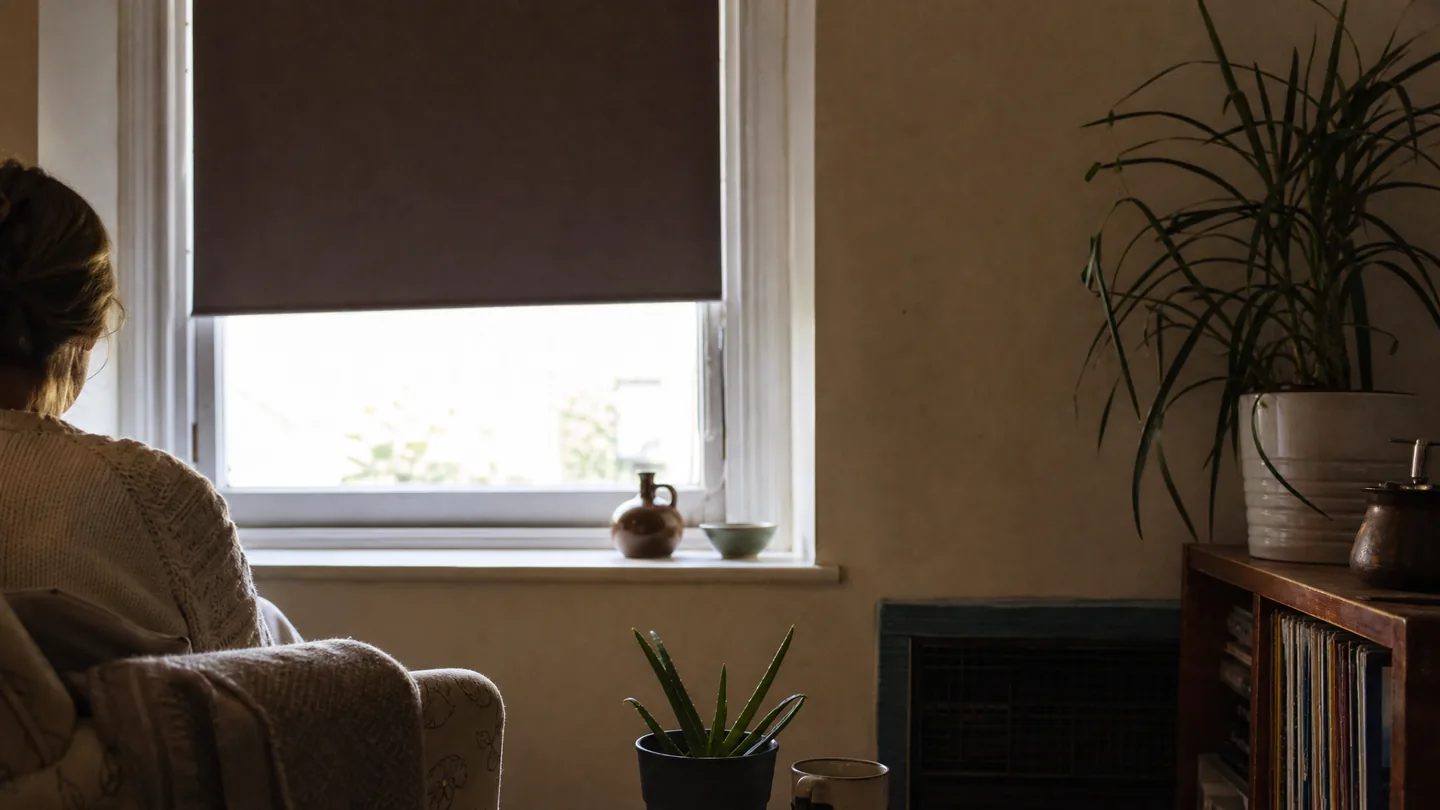
Light is the main signal the body clock uses. Bright light suppresses melatonin and tells the brain it is daytime, which is exactly what you want at eight in the morning and exactly what you do not want at one in the afternoon when you are trying to get a baby to sleep.
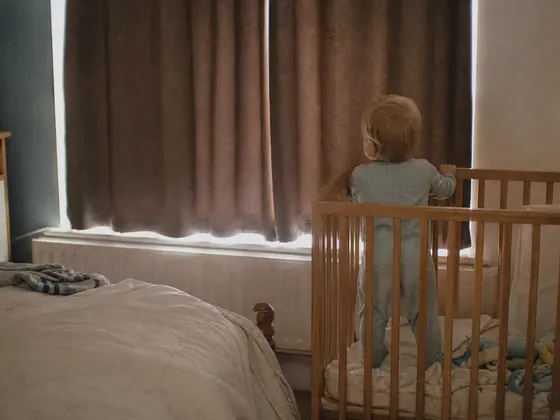
So darkness helps naps, particularly from around three or four months once the body clock starts genuinely responding to light. It helps most for the babies who need it most: light sleepers, short nappers, and any baby in a bright room in summer.
The price, stated honestly
The cost is portability. A baby who has only ever napped in blackout may struggle at a grandparent’s house, in a travel cot, on holiday, or at nursery, where the room is a dim corner with a blind and four other children in it. That is a real cost and it is not hypothetical - it is the single most common thing that falls apart on the first family holiday.
Use darkness when naps are the problem. Short naps, refused naps, a bright room, summer, a baby who is easily distracted. Fix the problem in front of you.
Keep the morning bright. Daylight after waking anchors the body clock, and it is doing more for night sleep than the nap conditions are.
Don’t black out for newborns. Under about three months, daytime naps in normal ambient light help the day-night distinction form. There is little to gain from darkness at this stage.
Practise the other conditions occasionally. One nap a week somewhere less than ideal keeps the flexibility alive without costing you much.
The rest of the room
White noise is worth mentioning in the same breath, because it has the same trade-off: genuinely useful for masking household noise, genuinely a condition that has to be reproduced elsewhere. If you use it, keep it at a low continuous volume - conversational level, not loud - and place it away from the cot rather than beside it.
Temperature matters more than most people expect and is easier to fix than either. A room between sixteen and twenty degrees suits most babies, and a room that has drifted warm is a common and invisible cause of short naps.
Darkness is a tool, not a rule. Use it for the problem you have, not for the one you read about.
If you have already gone all-in on blackout
Nothing is broken and it is easy to loosen. Introduce a little light gradually - a few centimetres of blind, a slightly open door - over a couple of weeks rather than all at once, and start with the first nap of the day when sleep pressure is highest and conditions matter least.
Before a holiday or a nursery start, practise for a fortnight rather than hoping. Two weeks of slightly imperfect naps at home is a much better trade than a week of no naps in a rented flat.
What to do about nursery
Nursery sleep rooms are dim rather than dark, shared, and often noisy. If your baby is starting nursery, the fortnight beforehand is worth spending loosening the conditions at home - a little light during naps, a little household noise - so the room there is less of a shock.
It is also worth asking what you can send. The same sleeping bag usually, the same comforter if they are over a year, and sometimes your own white noise. Most rooms will accommodate small requests, and a familiar object does more than the room’s conditions do.
What to do in summer
Summer is where this stops being a philosophical question. A bedroom in June can be bright at half past four in the morning and still light at eight in the evening, and both ends of that cause real problems - early waking at one end, a bedtime fight at the other.
Blackout in summer is worth having even if you keep naps light the rest of the year. Check it in May rather than discovering the problem in July, and check it at the actual hour rather than in the afternoon: a room that seems dark at three looks quite different at five in the morning.
When to stop troubleshooting
If naps are short and difficult regardless of the room, if your baby seems tired constantly, or if there is snoring, mouth breathing or noisy sleep, the room is not the variable that matters. Speak to your health visitor or GP.
Want this worked out for your baby instead?
The quiz takes three minutes and asks about your nights, not just their age.
Take the 3-min quiz →General guidance, not medical advice. Your paediatrician's advice takes precedence.