Early rising: 4:50am and up for the day
A 4:50am start is not a personality trait and it is not permanent. It is almost always one of four things, and they have to be ruled out in order, because fixing the wrong one makes it worse.
5 min read
Early rising feels different from a night wake, and it is different. Between about four and six in the morning, the pressure to sleep is at its lowest point of the night - most of the debt has already been paid off - and the body is already tilting towards morning. A baby who surfaces at that hour has very little pulling them back down. Anything at all can tip them into being properly awake.
That is why early rising responds badly to guesswork. Every change you make lands on a system that is already finely balanced, and two changes at once tell you nothing about which one did the work. Take the four causes in this order.
Work through them one at a time
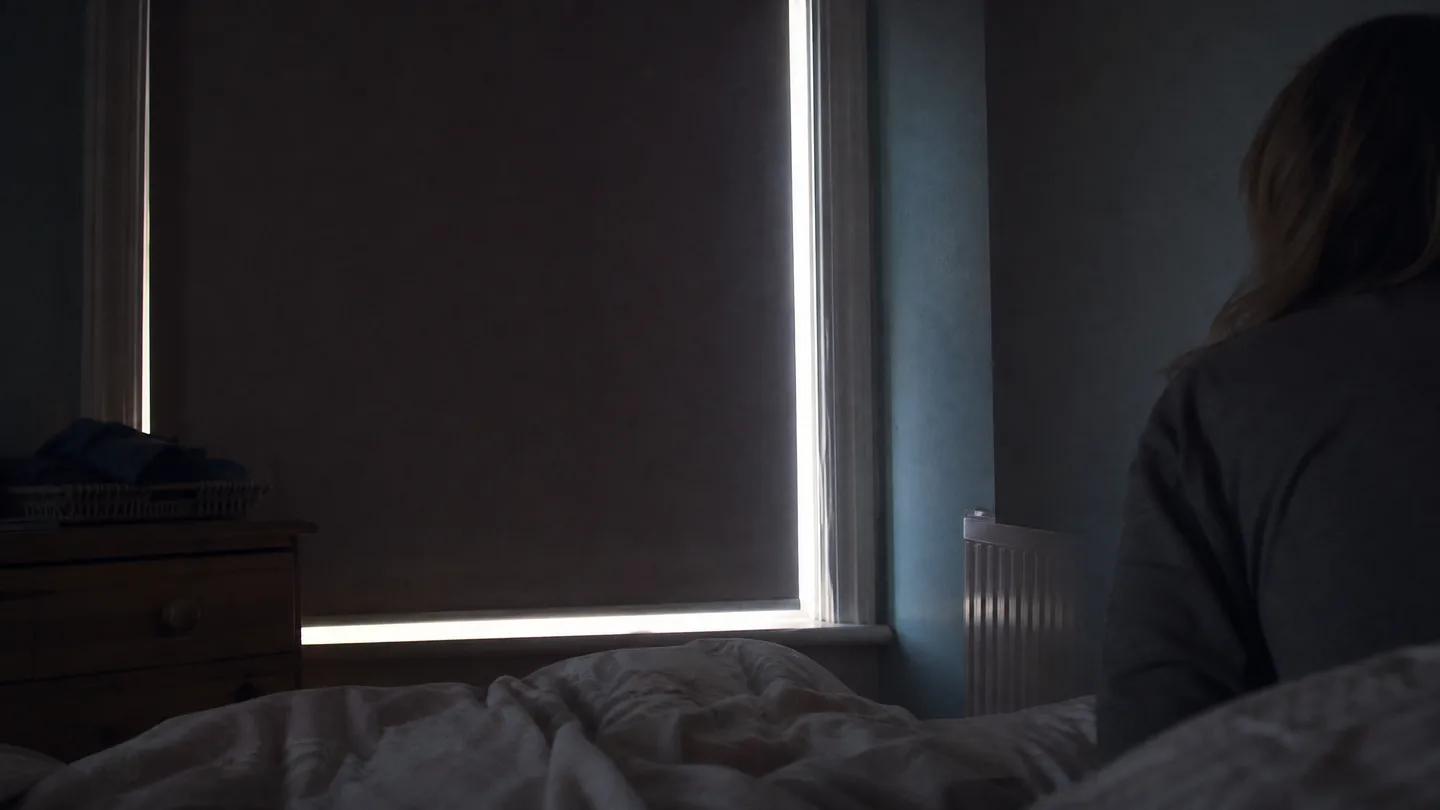
Start with light. In summer it can be properly bright at half past four. If you can see your hand clearly in the room at 5am, it is too light. Blackout that actually blacks out - edges taped, gaps covered - is the cheapest fix on this list and often the only one you need.
Then the last nap. A nap that ends too late leaves too little pressure for the back half of the night. Look at the gap between the end of the last nap and bedtime, and compare it with the wake window your baby actually needs at this age, not the one they had two months ago.
Then bedtime itself. This is the one that surprises people. Too early a bedtime produces early waking, because the total need is met before the sun comes up. If bedtime has crept forward to 6pm and they are up at 4:50, that is eleven hours - which for many babies is simply a full night.
Then hunger, and noise. A baby who has recently dropped a feed, or grown quickly, may genuinely be hungry at five. Heating that clicks on at 5:30, birds, a neighbour’s car, an older sibling - all of it lands on the lightest sleep of the night.
Why “put them down later” usually backfires
It is the first thing everyone tries and it is the first thing that fails. Pushing bedtime back by half an hour does not shift the morning by half an hour - it usually produces the same wake-up time on less total sleep, and by the third day you have an overtired baby who is now waking at 4:30 instead of 4:50.
If bedtime genuinely is too early, move it later in ten-minute steps, no more than one step every three nights, and watch the morning rather than the clock. If two steps produce no change in wake-up time at all, bedtime was not the problem and you should put it back where it was.
Before five in the morning, your baby has almost nothing holding them asleep. That is why small things win.
How long it takes
A light fix can work the first morning. A nap or bedtime change takes longer, because the body clock has to catch up with the new schedule: give any single change at least four to five mornings before you judge it, and expect the good mornings to arrive unevenly. Two decent starts, then a 4:40am, then three decent ones, is what progress genuinely looks like.
One thing worth deciding in advance: what counts as morning in your house. If you treat 5:15 as the start of the day on some days and as a night wake on others, you are teaching the clock to be negotiable. Pick a time, keep the room dark and the room boring until it, and be consistent about it for a fortnight before deciding it hasn’t worked.
Deciding what counts as morning
Pick a time and hold it, because the alternative is teaching the clock to be negotiable. If 5:15 is the start of the day on Tuesday and a night wake on Wednesday, your baby has no way to learn anything from either. Six o’clock is a common choice, and whatever you pick, the room stays dark and the house stays boring until it.
Then make the moment of getting up unmistakable. Curtains open, lights on, a cheerful greeting, out of the room. The contrast between the dull hour before and the bright moment of morning is doing the teaching - a baby who is lifted straight into the kitchen at 4:50 with the lights on has been told, quite clearly, that 4:50 is when the day starts.
Fixing the blackout properly
Most blackout is not blackout. Blinds leak at the edges, curtains have a gap in the middle, and a strip of light along a wall is enough at five in the morning. The test is simple: sit in the room for two minutes at 5am and see whether you can make out your own hand.
Tape down the edges, overlap the curtains, and cover the gap under the door if the landing light is on. Bin bags and gaffer tape are unattractive and work better than anything sold for the purpose. It is the cheapest item on the list and, in summer, frequently the whole answer.
When to stop troubleshooting
If early waking arrives suddenly alongside snoring, mouth breathing or long pauses in breathing, if your baby wakes early and is clearly in pain, or if they are consistently getting far less total sleep than the range for their age and it is not improving with any of this, that is a conversation with your GP or health visitor rather than another schedule adjustment.
Want this worked out for your baby instead?
The quiz takes three minutes and asks about your nights, not just their age.
Take the 3-min quiz →General guidance, not medical advice. Your paediatrician's advice takes precedence.