11–12 months: the false one-nap signal
The morning nap has started being refused and the obvious conclusion is that it is time to move to one. At eleven months that conclusion is usually wrong, and acting on it early makes the next two months considerably harder.
3 min read
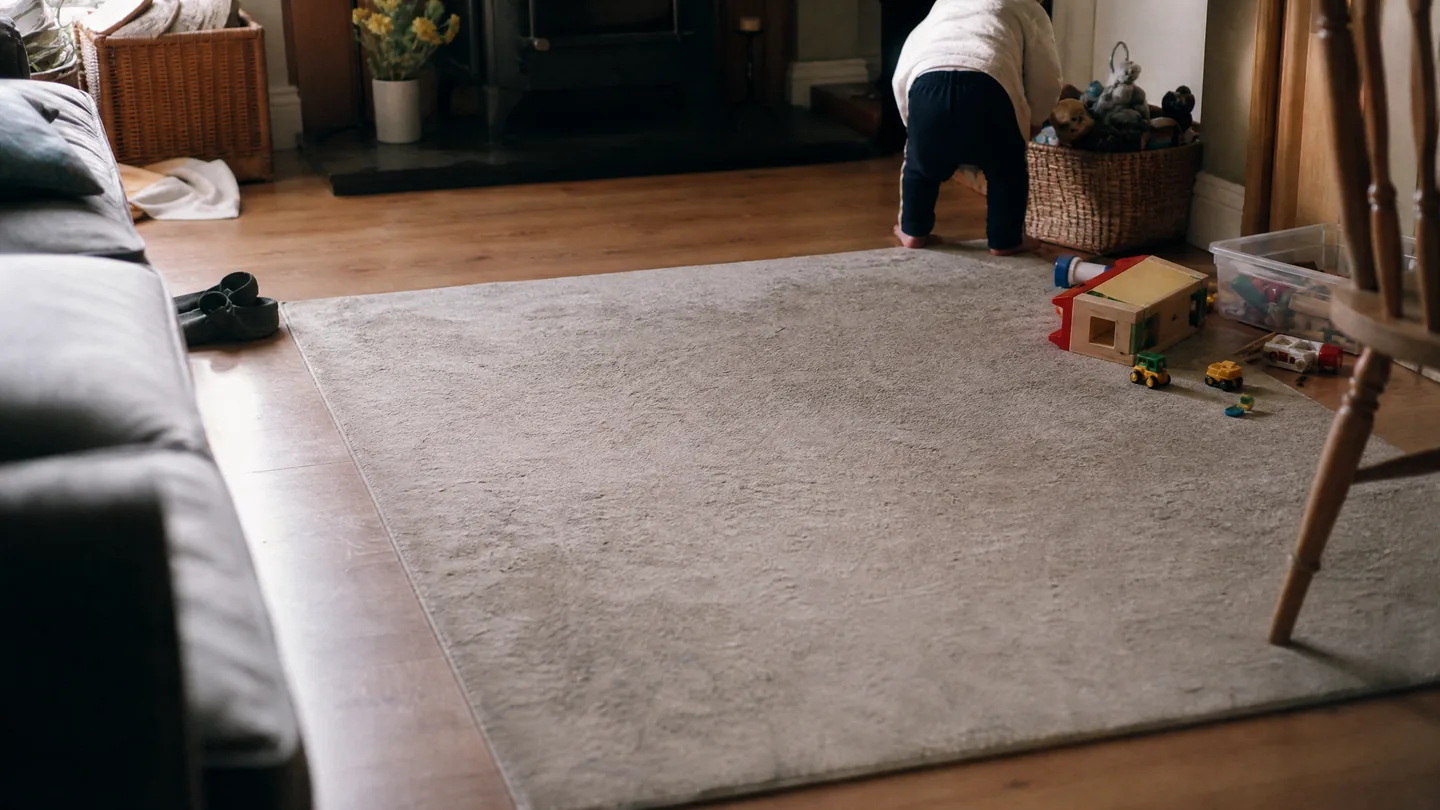
Around eleven or twelve months there is a burst of development - walking, first words, a leap in understanding - and it disrupts naps in a way that looks exactly like readiness to drop one. Meanwhile most children are not developmentally ready for a single nap until somewhere between fourteen and eighteen months.
Move to one nap at eleven months and you get a child who is awake for five or six hours before a midday nap they cannot yet sustain, an overtired afternoon, an early bedtime that does not compensate, and early morning waking within a fortnight.
Telling the false signal from the real one
How long has it been going on? Under two weeks is almost certainly a leap. A genuine transition builds over a month or more.
Is it both naps or just one? Refusing the morning nap while taking a long afternoon one is a leap pattern. A real transition tends to make both naps unstable.
Is anything else new? First steps, new words, a tooth, a house move, starting nursery. Any of these will do it.
What does the afternoon look like? A child who falls apart at four o’clock without the morning nap is not ready to lose it.
What to do instead
Hold two naps and shorten the morning one. Capping it at thirty or forty minutes often restores the afternoon nap without giving up the morning break, and it buys you the weeks you need until the real transition arrives.
Alternatively, push the morning nap slightly later and accept a shorter afternoon one. Either way, offer both, keep the schedule steady, and use an early bedtime on the days a nap is genuinely refused.
At eleven months, a refused morning nap is usually a new skill, not a new schedule.
What the real transition looks like when it comes
Consistently over three or four weeks: the morning nap eats the afternoon one, bedtime stops working on two-nap days, and early waking appears. That combination, sustained, is the signal. It usually arrives between fourteen and eighteen months, and it is worth reading up on the bridge before you start.
Until then, expect this age to be untidy. Twelve to fourteen hours total, two to three in the day, and a lot of variation week to week.
Capping rather than dropping
The useful middle move at this age is to shorten the morning nap rather than remove it. Capping it at thirty or forty minutes leaves enough pressure for a proper afternoon nap, keeps the day at three manageable wake windows, and buys the weeks you need before the real transition.
It also tests the theory cheaply. If capping the morning nap restores the afternoon one within a few days, your child was not ready for one nap and now you know. If both naps continue to fall apart despite the cap, the transition may genuinely be starting, and you have lost nothing by checking.
What the day should look like meanwhile
Two naps, wake windows of roughly three to three and a half hours, and around twelve to fourteen hours of sleep across twenty-four with two to three of it in the day. That is the shape to hold while the leap passes.
If the morning nap is being refused, offer it anyway at the usual time for twenty minutes and then get them up. If it is happening but too long, cap it. What you are protecting is the three-window structure, because losing it means a six-hour afternoon that an eleven-month-old cannot manage, and that shows up as an overtired evening and a 5am start.
When to stop troubleshooting
Persistent exhaustion regardless of schedule, loss of skills, or nap refusal alongside illness or a change in appetite are worth raising with your health visitor rather than solving with the calendar.
Want this worked out for your baby instead?
The quiz takes three minutes and asks about your nights, not just their age.
Take the 3-min quiz →General guidance, not medical advice. Your paediatrician's advice takes precedence.