False starts: awake 30 minutes after bedtime
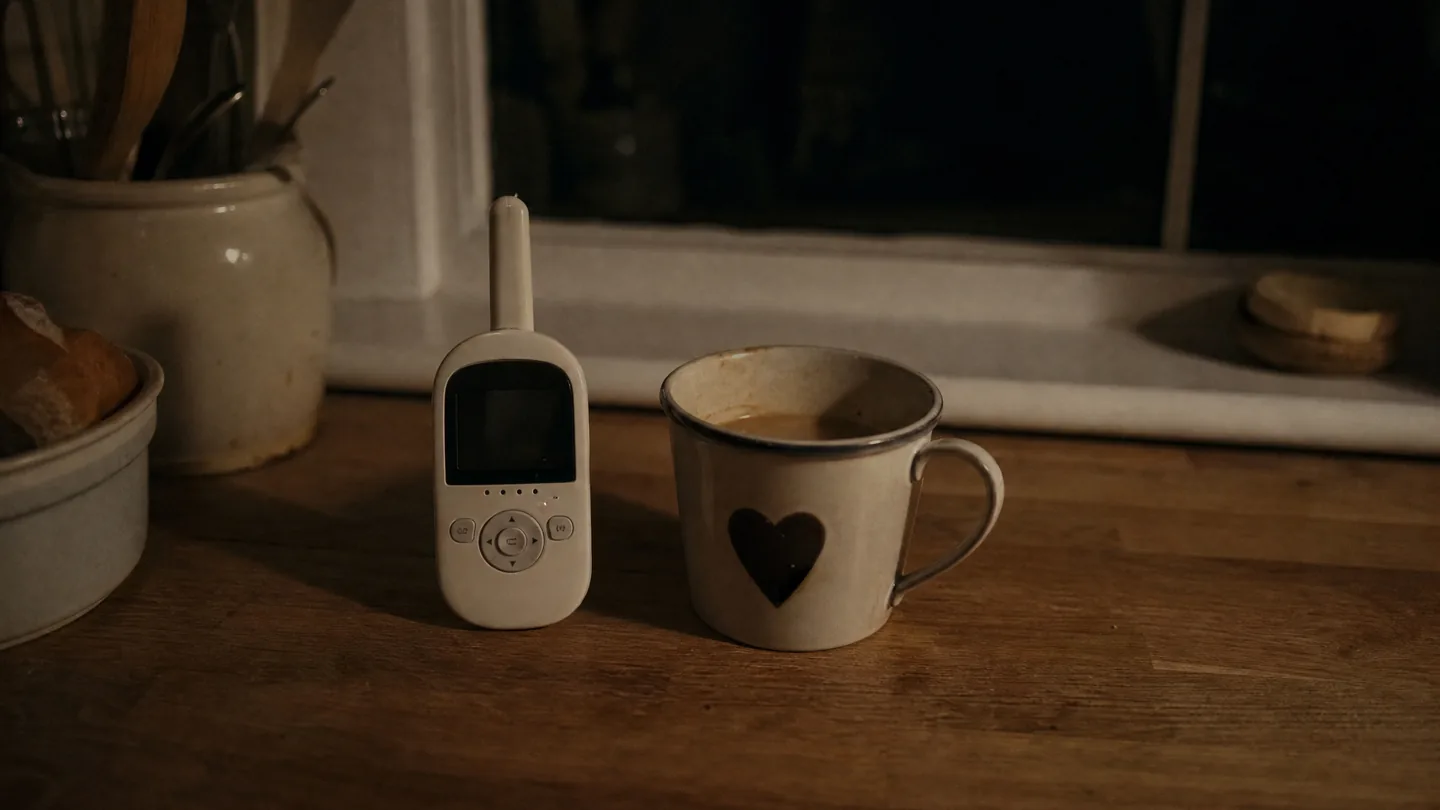
They went down beautifully at seven. At 7:35 the monitor lights up and you are back at the start. A false start is a specific pattern with a specific most-likely cause, and it is worth diagnosing rather than absorbing.
4 min read
A false start is a wake that arrives twenty to forty-five minutes after bedtime - right at the end of the first sleep cycle. Your baby went down, completed one cycle, arrived at the surface, and had nothing pulling them back down. So they woke up properly, and now they are up for the evening.
The most common reason is that they simply weren’t tired enough when you put them down. Sleep pressure builds through the waking hours; if the last nap ended too recently, or was too long, there isn’t enough of it in the bank to carry them past that first cycle boundary.
Rule out overtiredness first, though
The opposite cause produces a similar-looking wake, and treating one as the other makes things worse quickly. Overtired false starts tend to come with a fast, hard bedtime - asleep within three minutes - and a wake that is frantic rather than chatty. Undertired false starts usually follow a long, cheerful, wriggly bedtime and a wake where the baby is talking to themselves before they get cross.
Time how long bedtime takes. Under five minutes to sleep repeatedly suggests too much pressure. Twenty minutes of contented pottering suggests too little.
Look at the gap since the last nap ended. Compare it to the wake window that actually suits your baby now. This is the number to move, in fifteen-minute steps.
Look at the evening light. Bright overhead light and screens in the last hour push back the body’s own signal to sleep. Dropping the lights for the final forty minutes is free and sometimes sufficient.
Keep the resettle boring. When the false start happens, treat it as night, not as a restart of the evening. Lights stay off, nobody goes back to the living room.
A false start is the first sleep cycle telling you what bedtime got wrong.
How long it takes to shift
Wake-window changes usually show up within three or four nights. Make one adjustment, keep everything else identical, and count the minutes between going down and the first wake each night. If the gap is lengthening - thirty-five minutes, then fifty, then ninety - the direction is right even though it is not fixed yet.
If four nights of a longer window makes it worse rather than better, you have the other problem, and the window should go the other way. That is not a failure; that is the test doing its job.
What to do when it happens
Treat it as the middle of the night, not as the evening restarting. Lights stay off, nobody goes back downstairs, nobody puts the television on with a baby on their lap. Settle them the way you would at two in the morning, in the same room, with the same amount of help.
If they are genuinely wide awake and cheerful rather than upset, that is undertiredness confirming itself, and the useful response is a longer last wake window tomorrow rather than an hour of entertainment tonight. Feeding is reasonable if it has been a while since the last one - a baby who did not take much at the bedtime feed will sometimes wake within the hour for the rest of it.
When it happens every night
An occasional false start is noise. One at the same point every single night for a fortnight is a pattern, and patterns that precise are worth measuring rather than guessing at. Note the time they go down and the time they wake for four nights running.
If the gap is consistently thirty-five to forty-five minutes, it is the cycle boundary and the cause is timing or association. If it is consistently ninety minutes or two hours, that is a different thing - often hunger, sometimes discomfort after a feed - and the response is different. The two get confused constantly, and four nights of numbers separates them.
When to stop troubleshooting
False starts that come with coughing, choking, a hoarse cry, arching after feeds, or a baby who settles only upright are worth raising with your GP or health visitor. So is any pattern where your baby appears to be in pain rather than simply awake.
Want this worked out for your baby instead?
The quiz takes three minutes and asks about your nights, not just their age.
Take the 3-min quiz →General guidance, not medical advice. Your paediatrician's advice takes precedence.