15–18 months: bedtime turns into a negotiation
Bedtime has become a series of demands, delays and objections, and none of them are really about being tired. This is a developmental stage with a name, and it responds to structure rather than to sleep techniques.
4 min read
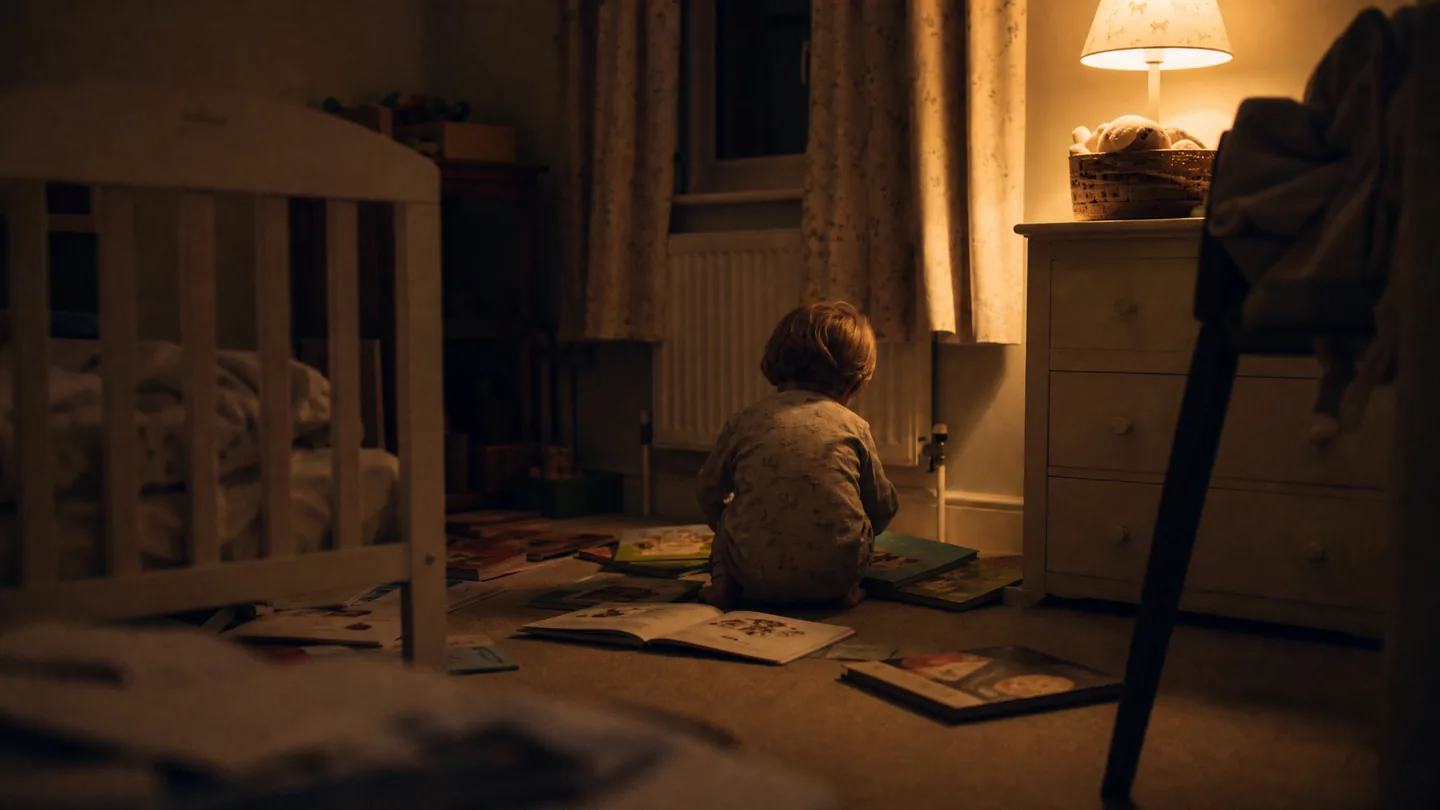
Somewhere after a year, toddlers discover that they are separate people with preferences that can be expressed. That discovery is enormous and entirely healthy, and bedtime is where it gets tested most, because bedtime is the moment of the day when a child has the least control and the most motivation to find some.
What looks like a sleep problem is usually an autonomy problem wearing sleep’s clothes. The child is not fighting sleep; they are finding out what happens when they push, which is a reasonable thing for a seventeen-month-old to want to know.
Give real choices inside firm limits
Offer two acceptable options. This book or that one. Blue pyjamas or green. Both answers are fine with you, and the choosing is the point.
Never make bedtime itself the choice. “Do you want to go to bed?” invites the only answer they have. The sequence is not negotiable; the details inside it are.
Make the routine visible. A short picture list on the wall - bath, teeth, two books, song, bed. It moves the authority from you to the routine, which is much harder to argue with.
Deal with the requests in advance. Water in the room already, one more cuddle built into the sequence, the last book announced as the last book before you start it.
Keep your tone flat. A tired parent negotiating at volume is far more interesting than a parent repeating the same sentence calmly for the fourth time.
The eighteen-month wobble
Around eighteen months a lot arrives at once: a language explosion, molars, a surge in separation anxiety, and often the beginning of nap resistance. Sleep frequently deteriorates for a few weeks with no single cause you can point at.
Hold the schedule and the routine through it. Toddlers who lose the nap at eighteen months almost always still need it - nap refusal at this age is usually resistance rather than readiness, and most children keep a nap until three or four.
They aren’t fighting sleep. They’re finding out where the edges are, and bedtime is where the edges show.
What to expect
Eleven to fourteen hours total, with one nap of one and a half to three hours. Bedtime resistance that comes in waves lasting a few weeks at a time. Night waking that returns during language leaps and teething.
Consistency between the adults in the house matters more at this age than at any earlier one. A toddler who gets a different answer from each parent will keep asking both, which is not naughtiness - it is good science.
Holding the nap
Nap resistance at this age is nearly always about autonomy rather than readiness. Most children need a nap until three or four, and dropping it at eighteen months in response to a fortnight of refusal usually produces an exhausted child and much worse nights within a week.
Keep offering it at the same time, in the same way. If the nap genuinely does not happen, use quiet time instead - in the cot or the room, dim, with a couple of books, for the same length. That protects the shape of the day, and in a good proportion of cases the quiet time turns into a nap anyway.
The requests at the door
Water, one more book, another cuddle, the light, a different toy. Individually all reasonable, cumulatively an hour. The way through is to build the reasonable ones into the routine in advance - water already in the room, a final cuddle as a named step, the last book announced as the last before you begin it.
Then anything requested afterwards gets the same flat answer every time, in the same words. It is the variation that keeps it going: a request granted on the fourth night after being refused on three teaches precisely how many attempts are required.
When to stop troubleshooting
Snoring, mouth breathing or pauses in breathing, loss of language or other skills, extreme daytime sleepiness, or distress at bedtime that looks like fear rather than protest, are all worth raising with your GP or health visitor.
Want this worked out for your baby instead?
The quiz takes three minutes and asks about your nights, not just their age.
Take the 3-min quiz →General guidance, not medical advice. Your paediatrician's advice takes precedence.