Nap refusal at 8 months
The nap that has worked for months has suddenly stopped happening. Before you rearrange the whole day, it is worth knowing that a nap disappearing abruptly almost never means your baby is ready to give it up.
4 min read
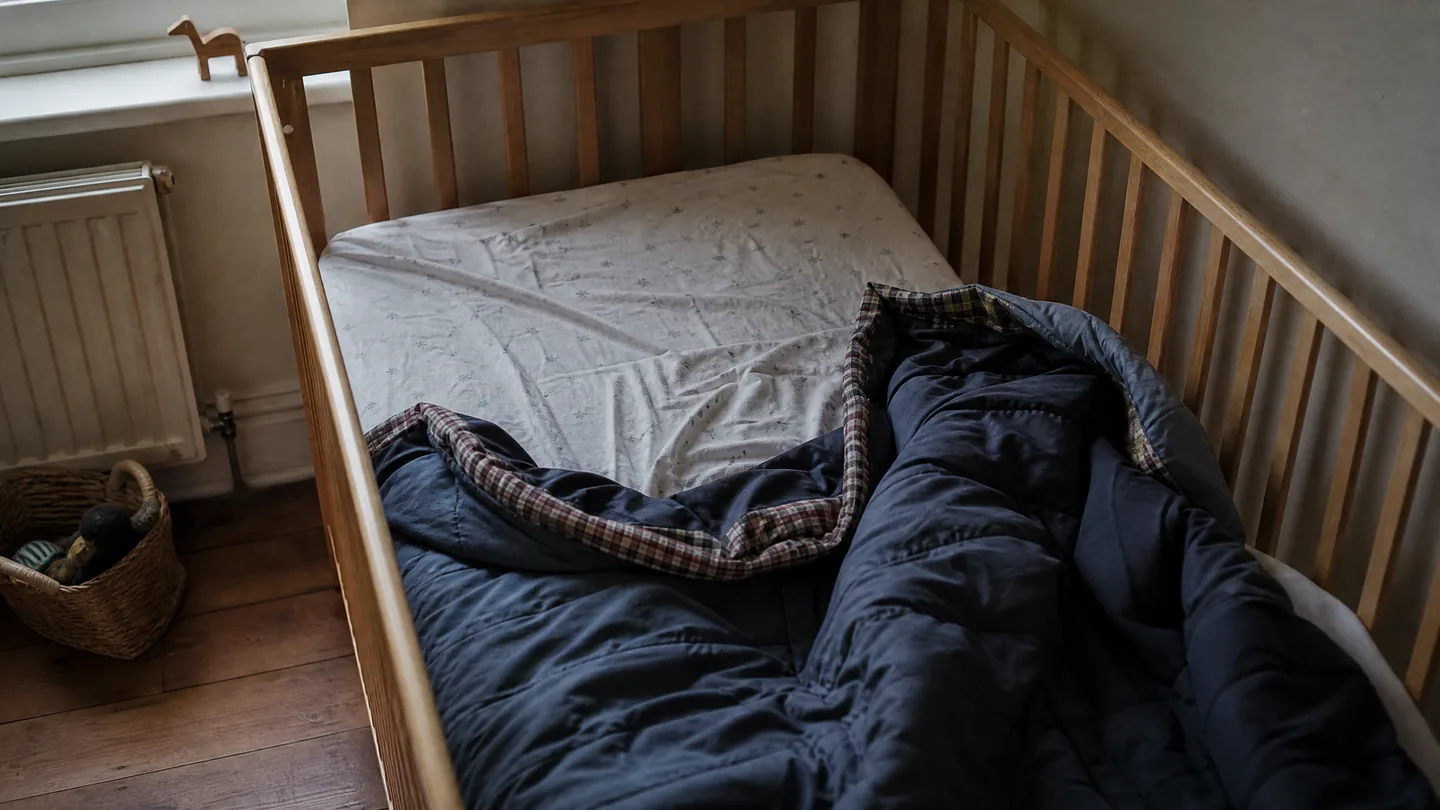
Real nap transitions are slow. A nap that is genuinely being outgrown gets shorter and harder over weeks, and the resistance builds gradually. A nap that was fine on Monday and impossible on Tuesday is something else, and around eight months that something else is usually development.
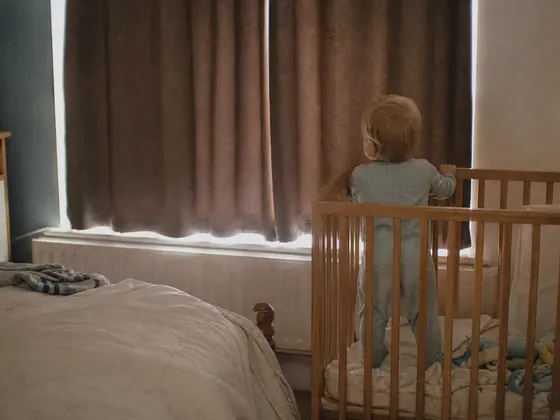
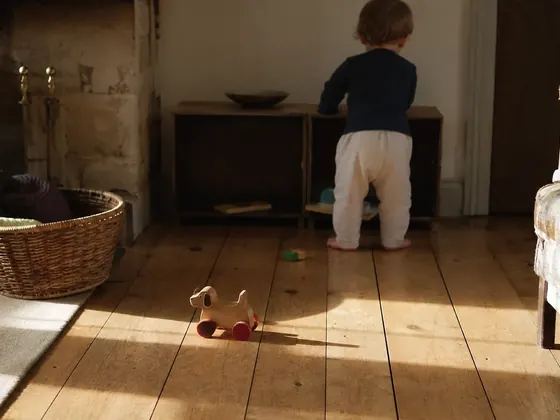
Crawling, pulling to stand, cruising and the first real separation anxiety all cluster in this window. A baby who has just learned to stand up will stand up in the cot instead of sleeping, not out of defiance but because a brand new skill is extremely interesting and largely involuntary at first. Sleep is where the brain consolidates new abilities, and it gets noisy for a fortnight while that happens.
Telling a leap from a transition
How fast did it change? Overnight points at a leap. Gradual decline over several weeks points at a real transition.
What are they doing instead of sleeping? Practising - standing, rolling, babbling - is a leap. Lying calmly awake and content is more likely genuine readiness.
Are nights affected too? Leaps usually disturb both. A nap transition is mostly a daytime phenomenon.
Is anything else new this month? A new skill, a new tooth, starting solids properly, a new room. All of them show up in naps first.
What to do about it
Hold the schedule. Keep offering the nap at the usual time, keep the routine identical, and give the whole thing two to three weeks before concluding anything. The single most common mistake here is restructuring the day in week one of a leap and then having to restructure it back.
Give the new skill plenty of daytime practice - floor time, standing, cruising along the sofa. A baby who has had an hour of practising standing is less compelled to do it at one in the afternoon. And if the nap genuinely does not happen, use an early bedtime rather than trying to force a later nap that will wreck the evening.
A nap that disappears overnight is a skill being rehearsed, not a nap being outgrown.
How long it lasts
Most developmental nap disruption resolves within two to four weeks, often abruptly - the nap comes back as suddenly as it left, usually once the new skill is properly mastered. If you have held the schedule, there is nothing to rebuild.
If six weeks have passed with no improvement, and the resistance has been steady rather than spiky, then it may be a genuine transition after all, and it is worth looking at wake windows and total daytime sleep.
What to do with the hour they refuse to sleep
If forty minutes have passed and nothing is happening, get them up rather than leaving them practising in the cot for another half hour. A long stretch of standing and babbling in a cot at nap time teaches that the cot is a place to be awake, which is the association you least want.
Take them out, do something calm and low-key for twenty minutes - nothing stimulating, no screens, ideally somewhere dim - and offer the nap again. If it fails a second time, treat it as a lost nap: get outside, bring bedtime forward by up to an hour, and go back to the normal time tomorrow. One lost nap costs one early night. A fortnight of restructuring the day costs a fortnight.
Protecting the schedule through it
The single most valuable thing during a nap strike is not changing anything. Keep offering the nap at the same time, in the same room, with the same routine, for two to three weeks. The nap usually returns as abruptly as it left, and if the schedule is intact there is nothing to rebuild.
The alternative - dropping the nap in week one, restructuring the day, then discovering in week four that the nap was needed after all - costs a month rather than a fortnight. Nap transitions are slow and gradual; nap strikes are sudden and complete, and telling them apart is mostly a question of waiting long enough.
When to stop troubleshooting
Nap refusal with fever, a change in feeding, pulling at ears, or a baby who is unusually miserable when awake, is worth a GP appointment rather than a schedule change. Ear infections in particular often show up first as a baby who will not lie down.
Want this worked out for your baby instead?
The quiz takes three minutes and asks about your nights, not just their age.
Take the 3-min quiz →General guidance, not medical advice. Your paediatrician's advice takes precedence.