Night terrors, nightmares and confusional arousals
Your child is screaming with their eyes open and does not seem to know you are there. It is frightening to watch. It is also, most likely, one of three quite different things - and telling them apart changes what you should do.
4 min read
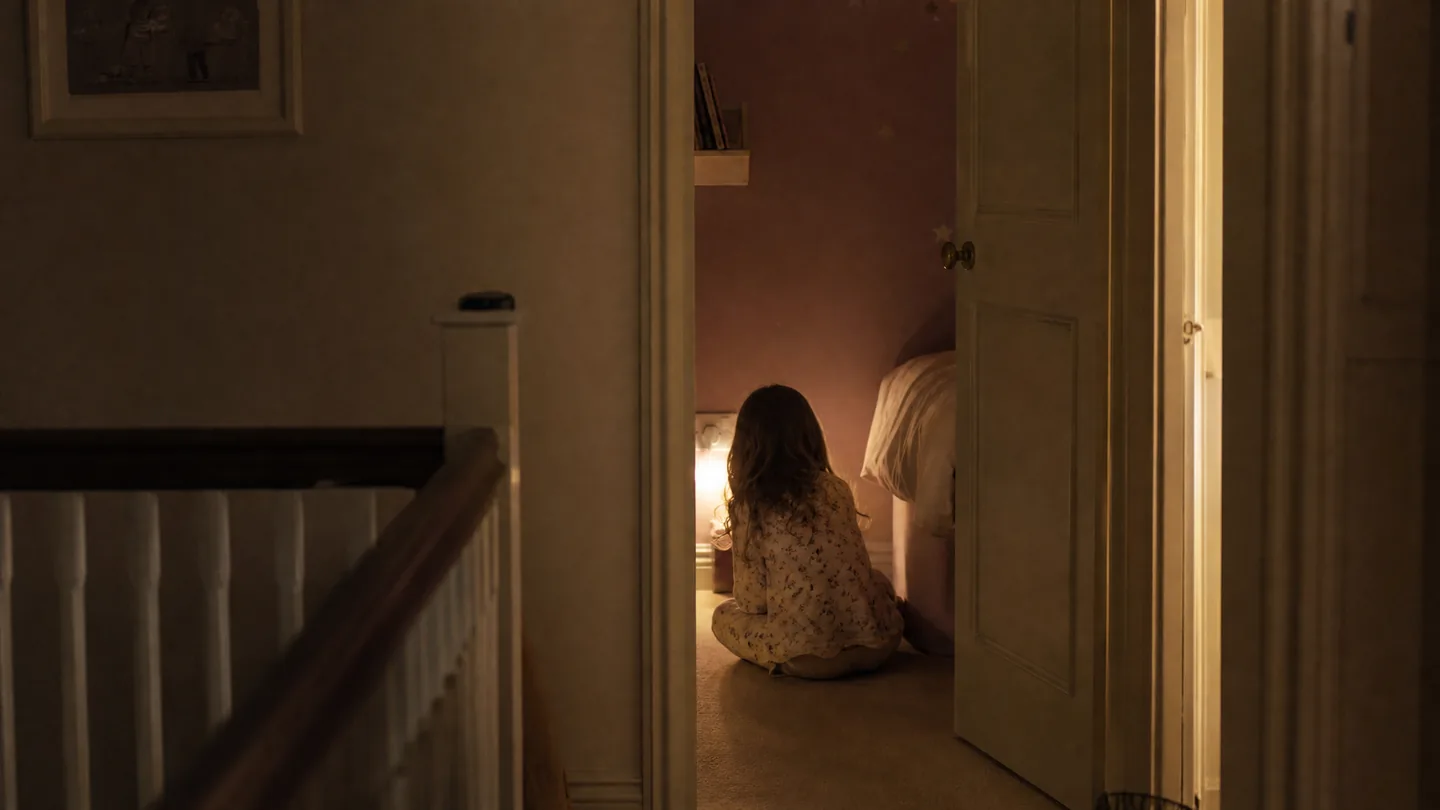
All three happen at night and all three involve a distressed child. That is where the similarity ends. Two of them happen out of deep sleep, early in the night, and the child is not actually awake. The third happens out of dreaming sleep, later in the night, and the child is awake and knows exactly what frightened them.
Getting the category right matters because the correct response to one is almost the opposite of the correct response to another.
How to tell them apart
Night terrors. Usually in the first few hours after bedtime. Screaming, sweating, wide eyes, sometimes thrashing or sitting up. They do not recognise you and cannot be comforted. It ends abruptly, they go back to sleep, and in the morning they remember nothing at all.
Confusional arousals. The milder cousin, also from deep sleep and also early. Crying, moaning, confused muttering, sometimes pushing you away. Less dramatic than a terror, same underlying event, same amnesia afterwards.
Nightmares. Usually in the second half of the night. The child is properly awake, wants you, is comforted by you being there, and can often tell you what happened - and remembers it in the morning.
The single best test. Do they know who you are? A child who calms when you arrive had a nightmare. A child who looks through you did not.
What to do in each case
For terrors and confusional arousals: do not wake them, and mostly do not intervene. Waking a child mid-terror tends to extend and worsen it. Stay in the room, keep them physically safe - away from stairs, cot rails, anything hard - dim the lights, and wait. Most last between a few minutes and twenty. Then they settle by themselves and sleep on.
For nightmares: do the opposite. Go in, comfort, stay, put the light on if it helps, let them tell you about it if they want to. Reassurance is exactly what is needed, and there is no risk of “making a habit of it” by responding to genuine fear.
A child in a night terror isn’t frightened. You are. They will not remember any of it.
Why they happen, and what reduces them
Terrors and confusional arousals are partial arousals out of deep sleep - the body wakes and the brain does not, or not all of it. They cluster in the preschool years, run in families, and are strongly associated with anything that deepens sleep or fragments it: being overtired, an irregular schedule, illness and fever, a very late night, a full bladder, or a noisy room.
That gives you something practical to work with. Regularising bedtime and making sure your child is not accumulating sleep debt reduces the frequency for many families. If the terrors happen at a reliably consistent time each night, some families find that gently rousing the child about fifteen minutes beforehand - enough to shift them out of that deep stage, not enough to wake them fully - breaks the pattern within a week or two. It is worth trying, and worth abandoning if it makes things worse.
Most children grow out of them. It is not a sign of psychological distress, it does not mean something is wrong at home, and it is not caused by anything you did that evening.
Keeping a note of when they happen
Write down the time of each episode for a fortnight. Night terrors and confusional arousals are strikingly consistent - often within fifteen minutes of the same point after falling asleep, because they are tied to the transition out of the first deep sleep block rather than to the clock.
That consistency is what makes the scheduled-rousing approach possible, and it is also useful information for a GP if you end up there. Note anything else that lines up: a late night, a missed nap, a fever, a full nappy, a noisy evening. Most families find a pattern of triggers within two weeks, and removing one of them is often enough.
What to tell other people who look after them
A night terror is frightening to witness if you do not know what it is, and grandparents, babysitters and nursery staff on a sleepover will reasonably try to wake and comfort a screaming child. That is the one thing that reliably makes it worse and longer.
Tell them in advance: it happens, it looks alarming, do not wake them, keep them safe, wait it out, and they will remember nothing. Written down on a piece of paper if someone is staying overnight. It takes a minute and it prevents a great deal of unnecessary alarm at both ends.
When to stop troubleshooting
Speak to your GP if the episodes are very frequent, if they happen several times a night, if they involve walking towards stairs or doors, if there is any stiffening, jerking or repetitive movement that could be a seizure, if they persist well into school age, or if your child is excessively sleepy in the daytime. Snoring or pauses in breathing alongside night terrors is also worth mentioning, because disrupted breathing can trigger them.
Want this worked out for your baby instead?
The quiz takes three minutes and asks about your nights, not just their age.
Take the 3-min quiz →General guidance, not medical advice. Your paediatrician's advice takes precedence.