Regression, or something else? A checklist
“Regression” has become the default explanation for any bad fortnight, and it is a diagnosis of exclusion. Here is what to exclude, in order, before you settle on it.
4 min read
The risk of reaching for the word too quickly is that it tells you to wait. Waiting is correct for a developmental phase and wrong for an ear infection, a hungry baby, or a room that has become too warm since the heating went on.
Work down this list first. It takes a few minutes and it changes what you do next.
Rule these out first
Illness. Temperature, ears, nose, cough, nappies, appetite. Ear infections and colds are the commonest cause of sudden night waking in the first two years, and both can be present without an obvious fever.
Teeth. Drooling, chewing, a red cheek, gum swelling, refusing to lie flat on one side. Teething disturbs sleep for a few days around each tooth, not for a month.
Hunger. Vigorous full feeds day and night, increased daytime appetite, fewer wet nappies. A growth spurt runs two to five days.
The environment. Room temperature - heating on, seasons changing, a warmer sleeping bag. Light in summer. Noise. A cot that has been moved.
The schedule. Wake windows that fitted a month ago and no longer do. This is the single most common non-developmental cause and it is invisible until you check the numbers.
Then look for what is new
If none of the above fits, ask what your baby has recently started doing. Rolling, sitting, crawling, standing, walking, a new word, a new understanding. If you can name it, you have your answer and the response is to support it in daylight and hold the structure.
Also ask what has changed in the household. A house move, a new room, a parent returning to work, nursery starting, a new sibling, a holiday. Sleep is often the first place a change of circumstances shows up.
“Regression” is what is left after you have ruled everything else out. Rule it out in that order.
Red flags that end the checklist
Some things stop the process entirely and go straight to a GP: a fever in a baby under three months, breathing that is fast, laboured, noisy or with pauses, a baby who is very difficult to rouse, floppy or unusually stiff, a rash that does not fade under pressure, repeated vomiting, poor weight gain, or a baby who has lost skills they previously had.
Trust the sense that something is wrong even when you cannot name it. Parents are usually right about that, and no sleep advice is worth ignoring it for.
Checking the schedule properly
Of everything on the list, the schedule is the one most often missed, because it fails silently. Nothing announces that a wake window has stopped fitting; sleep just gets worse, and it looks like a phase.
The check takes three days of notes: when they woke, when each nap started and ended, when bedtime was, and how long they took to fall asleep. Then compare the windows against the range for their current age rather than the age they were when you last looked. A twenty-minute drift is enough to break a night, and it is invisible without the numbers.
The checklist in practice
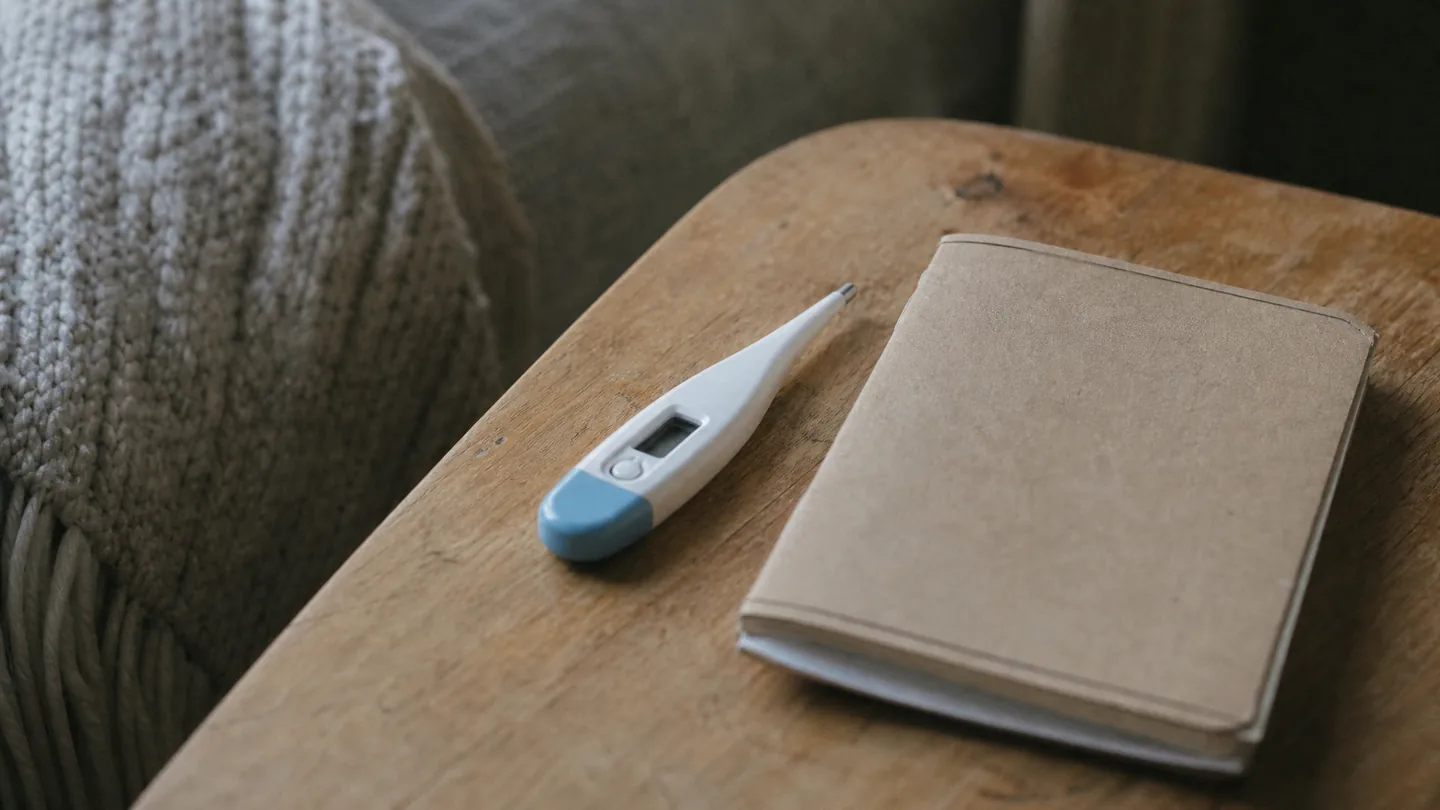
It takes about ten minutes on the first bad morning. Look in their mouth. Feel their forehead and take a temperature if there is any doubt. Look at the nappies. Check the room thermometer and what they are wearing. Then get out the last three days of notes, if you have them, and compare wake windows against the range for their current age.
Most of the time one of those turns something up. When none of them does, and there is something new they have recently learned to do, you have your answer - and the answer is to hold the structure, support the skill in daylight, and check again in a fortnight.
When to stop troubleshooting
Any of the red flags above, disruption lasting more than six to eight weeks, or a pattern that is worsening steadily rather than fluctuating. Snoring, mouth breathing and pauses in breathing during sleep are always worth mentioning, whatever else is going on.
Want this worked out for your baby instead?
The quiz takes three minutes and asks about your nights, not just their age.
Take the 3-min quiz →General guidance, not medical advice. Your paediatrician's advice takes precedence.