7–8 months: separation anxiety arrives
Your baby has suddenly stopped tolerating you leaving the room, and bedtime has become a much bigger event. This is a developmental arrival rather than a habit, and it responds to entirely different things than sleep problems do.
4 min read
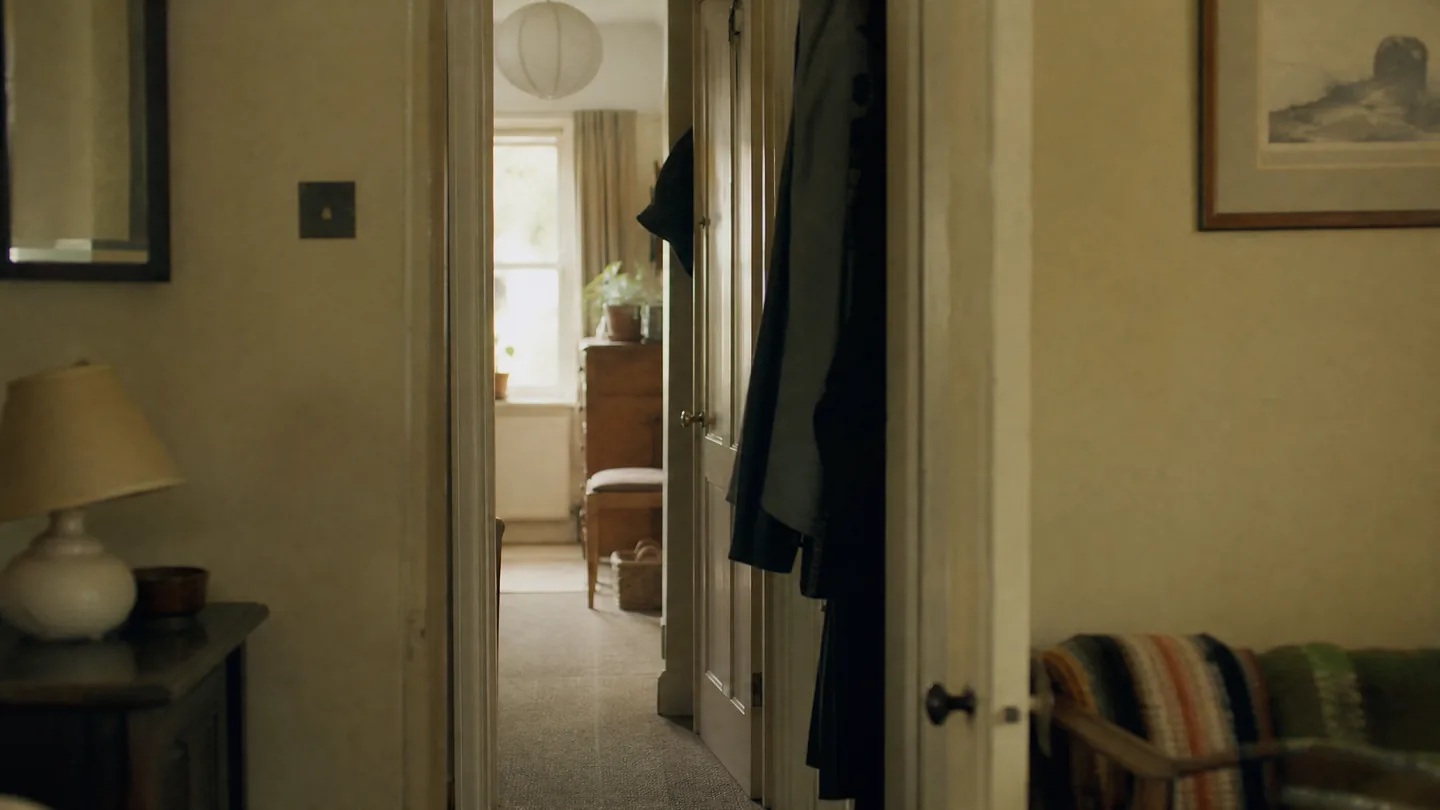
Somewhere between six and ten months, most babies work out object permanence: things continue to exist when they cannot be seen. It is a significant cognitive step, and its immediate consequence is that when you leave the room your baby now knows you are somewhere, rather than simply gone.
That knowledge is what produces separation anxiety, and it lands hardest at bedtime and in the night. During the day there is plenty to look at. At seven in the evening, in a dark room, being put down alone is a very different proposition than it was a month ago.
What helps
Play peekaboo, seriously. Hiding games rehearse exactly the thing they are worried about - you go, you come back - in a low-stakes setting. It sounds trivial and it genuinely helps.
Narrate leaving during the day. “I’m going to the kitchen, I’ll be back.” Then go, and come back. Repeatedly. Slipping away unnoticed is easier in the moment and teaches the opposite lesson.
Lengthen the wind-down. A slightly longer, quieter bedtime with more contact in it costs ten minutes and takes a lot of pressure out of the separation itself.
Come back before they call. If you are doing check-ins, return on your own schedule rather than in response to crying. The lesson is that you come back reliably, not that crying summons you.
Keep the goodbye short and the same. Same words, same order. Long, elaborate goodbyes tend to increase anxiety rather than settle it.
What to avoid
This is a poor month to start a settling programme that involves extended separation. Whatever your general approach, an eight-month-old in the middle of separation anxiety needs more reassurance than usual, not less, and pushing through it tends to prolong the phase.
It is also a poor month to move them into their own room, if that was the plan. Delaying by six or eight weeks costs nothing.
They have just learned you still exist when you leave. Everything they are doing follows sensibly from that.
How long it lasts
The sharpest phase usually runs four to eight weeks, though separation anxiety returns in waves through the second year, often around eighteen months and again around two. Nights typically settle before daytime clinginess does.
This age also brings crawling, pulling to stand and often the first teeth, all of which affect sleep independently. It is a crowded couple of months, and it is normal for it to feel like everything came at once.
The other things happening this month
Separation anxiety rarely arrives alone. Crawling, pulling to stand and the first teeth all cluster in the same few weeks, and each of them disturbs sleep independently. It is common to spend this month trying to work out which one is responsible on any given night, and it is largely wasted effort.
The responses overlap enough that you do not need the attribution. More daytime practice for whatever is new, a slightly longer wind-down, an earlier bedtime, and the schedule held steady. That covers all three, and it is a much shorter list than trying to run a different strategy for each.
What not to start this month
Anything involving separation. Moving them into their own room, starting nursery if you have a choice about the timing, or beginning a settling method that involves leaving the room - all three work against what is happening developmentally, and all three go considerably better six or eight weeks later.
Night weaning is the other one to postpone. A baby in the middle of separation anxiety is asking for reassurance, and removing a source of it at the same time makes both projects harder. If you were planning either, put it in the diary for two months’ time and lose nothing.
When to stop troubleshooting
Distress that is inconsolable for long periods, a baby who is not comforted by your presence at all, loss of skills, or clinginess alongside fever, ear-pulling or a change in feeding, are all worth a GP or health visitor appointment rather than more bedtime adjustments.
Want this worked out for your baby instead?
The quiz takes three minutes and asks about your nights, not just their age.
Take the 3-min quiz →General guidance, not medical advice. Your paediatrician's advice takes precedence.