Solids and sleep: what actually changes
Everyone tells you that once they start solids they will sleep. The evidence for that is weak, the belief is extremely persistent, and there are some real effects worth understanding.
3 min read
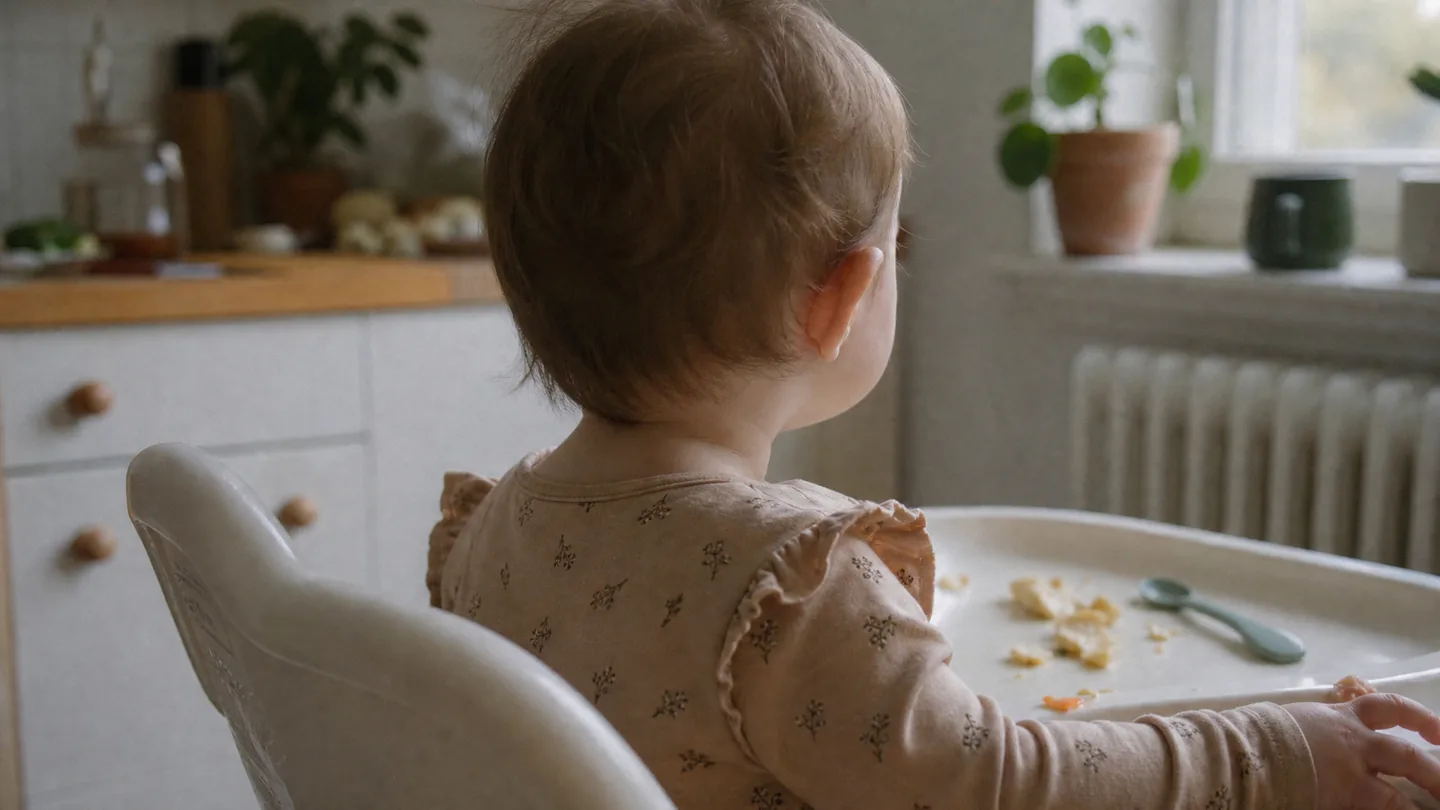
The idea that a fuller stomach produces longer sleep is intuitive and mostly wrong at this age. The largest trials looking at early solids and infant sleep have found modest effects at best, and nothing resembling the transformation the folklore promises. Babies wake for many reasons, and hunger is only one of them.
What does happen, reliably, is a short period of disruption. New foods, a digestive system learning a new job, and the occasional bout of constipation all show up at night for a week or two after starting.
What actually changes
A fortnight of disturbed sleep at the start. Normal, temporary, and not a reason to stop.
Constipation, sometimes. Particularly with rice cereal and low-fibre first foods. It is a common and easily missed cause of night waking after starting solids.
Milk intake can drop too fast. Milk remains the main source of nutrition through the first year. A baby filling up on purée and taking less milk may wake more hungry, not less.
Reactions to new foods. Occasionally a food genuinely disagrees, and it shows up at night. Introducing new foods one at a time makes this identifiable.
Timing dinner sensibly
Leave at least an hour between a substantial meal and bedtime, and keep the milk feed as part of the bedtime routine rather than replacing it with food. A last meal too close to bed tends to produce discomfort rather than sleepiness.
Current guidance is to start solids around six months. Starting earlier in the hope of improving sleep is not supported, and before four months it is advised against.
Solids are how eating starts. They are not how sleeping starts.
Allergens and the night
Introducing common allergens - egg, peanut, dairy, wheat, fish - from around six months is now recommended rather than delayed, and introducing them earlier in the day rather than at dinner is sensible, so that any reaction happens while you are awake and can see it.
One new food at a time, a few days apart, makes it possible to identify anything that disagrees, including things that show up as a bad night rather than an obvious reaction.
What to do if solids made sleep worse
It is common, it is temporary, and there are three things worth checking. Constipation is the most frequent culprit, particularly with low-fibre first foods - look at the nappies before anything else. Milk intake dropping too fast is the second: a baby filling up on purée and taking less milk may genuinely be hungrier at night.
The third is timing. A substantial meal too close to bedtime tends to produce discomfort rather than sleepiness, and an hour’s gap usually fixes it. Introduce new foods one at a time and earlier in the day, so anything that disagrees is identifiable and happens while you are awake to notice.
Where the belief comes from
It is old advice, repeated confidently for decades, and it used to include putting cereal in a bottle - which is now advised against for choking and nutritional reasons. The belief persists because it is intuitive and because babies do eventually sleep better, at an age that happens to be shortly after solids begin.
The improvement is developmental rather than dietary. Sleep consolidates over the second half of the first year for reasons that have nothing to do with what is in the stomach, and anything started around six months gets the credit. Knowing that saves you from concluding you are doing solids wrong when the nights do not change.
When to stop troubleshooting
Any sign of an allergic reaction - swelling of the lips or face, hives, vomiting, wheezing or difficulty breathing - needs urgent medical attention. Persistent constipation, blood in the nappy, poor weight gain, or a baby who is refusing both milk and solids, all warrant a GP or health visitor appointment.
Want this worked out for your baby instead?
The quiz takes three minutes and asks about your nights, not just their age.
Take the 3-min quiz →General guidance, not medical advice. Your paediatrician's advice takes precedence.