Split nights: awake and cheerful at 2am
Your baby wakes at two in the morning, and they are not upset. They are delighted. They babble, they play, they want company, and an hour and a half later they go back to sleep as though nothing happened. This has a cause, and it is not that they have confused day with night.
4 min read
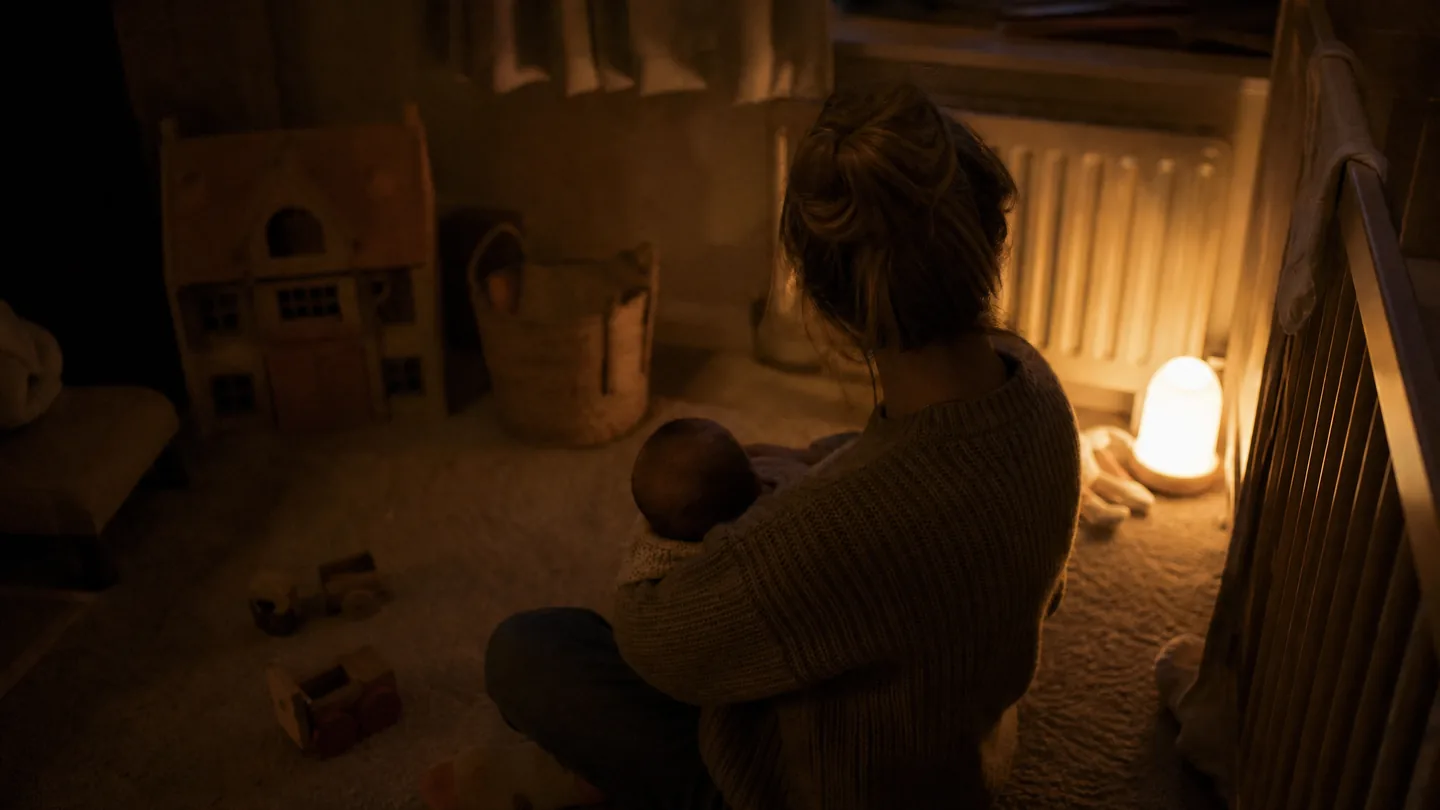
A split night is a night with a hole in the middle. It happens when the total amount of sleep on offer is more than the amount your baby currently needs. They take the first portion, they run out of pressure, and they surface fully - not distressed, because nothing is wrong, simply awake. The body will not produce sleep it does not need, and no settling technique argues successfully with that.
The tell is the mood. A baby waking from hunger, pain or an association mismatch is unhappy. A baby in a split night is usually cheerful, chatty and perfectly comfortable being awake. That good mood is the single most useful diagnostic sign in the whole of night waking.
Where the extra sleep is coming from
Add up the whole day first. Naps plus night, over twenty-four hours, for three days. Most people are surprised - either by how much daytime sleep has crept in, or by how early bedtime has drifted.
Suspect the naps before the night. A baby who is napping three hours at an age where two is typical is being offered more sleep than they can use, and the surplus comes out of the middle of the night.
Check bedtime against morning. Twelve and a half hours in the cot for a baby who needs eleven produces a ninety-minute hole. That arithmetic is usually the whole explanation.
Look at the last nap’s end time. A late finish leaves too little pressure for the back half of the night even when the total looks correct.
What to change, and in what order
Cap the daytime sleep first, before touching bedtime. Take fifteen to twenty minutes off the longest nap, or off the last one, and hold it for at least four nights. Daytime is easier to control than night, and the change is less disruptive to everyone.
If the split persists once naps are in a sensible range, move bedtime later in ten-minute steps rather than making a single large jump. And while the split night is still happening, keep the middle of the night as boring as you can manage - no lights, no play, no getting up for the day. You cannot force them back to sleep, but you can avoid teaching them that 2am is a good time to be entertained.
Nobody sleeps more than they need. The gap in the middle is arithmetic, not defiance.
How long it takes
Split nights usually respond within four to seven days of a genuine change in total sleep, and they tend to shrink rather than disappear - ninety minutes, then an hour, then twenty minutes of chatting, then gone. If nothing at all has moved after a week of a real reduction, the assumption was wrong and it is worth looking again at the numbers rather than cutting more sleep.
Be careful not to overcorrect. Cutting too much daytime sleep to close a split night produces an overtired baby, and overtired babies wake more, not less. Small reductions, held long enough to judge, work better than a decisive cut.
Surviving the hole while you fix it
While the arithmetic is being corrected, you still have ninety minutes of an awake and delighted baby in the middle of the night. You cannot force sleep that the body does not need, so the aim is to make the time as uninteresting as possible: no lights, no play, no leaving the room, no conversation beyond a few words.
That sounds harsh and it is doing something specific. A baby who reliably gets a lit room and company at two in the morning has been given a reason to be awake at two in the morning tomorrow. The gap closes faster when the hours either side of it are dull, and the arithmetic change is doing the real work in the background.
Why it looks like a body clock problem
The usual assumption is that the baby has muddled day and night, and the usual response is to expose them to more daylight and make the night darker. That is sensible advice for a newborn under about three months and does very little for a split night at eight months.
The tell is the timing. A muddled clock produces a baby who wants to sleep in the day and be awake in the evening. A split night sits neatly in the middle of an otherwise normal night, with sleep either side of it. Same symptom, different cause, and the fix is arithmetic rather than light.
When to stop troubleshooting
If the middle-of-the-night waking is distressed rather than cheerful, if it comes with pain, fever or breathing that sounds laboured, or if your baby is awake for long stretches and also not gaining weight or feeding well, treat it as a health question and speak to your GP or health visitor rather than adjusting the schedule.
Want this worked out for your baby instead?
The quiz takes three minutes and asks about your nights, not just their age.
Take the 3-min quiz →General guidance, not medical advice. Your paediatrician's advice takes precedence.