Getting back on track after illness
They are better and the nights are not. A week of doing whatever worked has left habits behind, and those unpick faster than they formed if you start within a few days.
3 min read
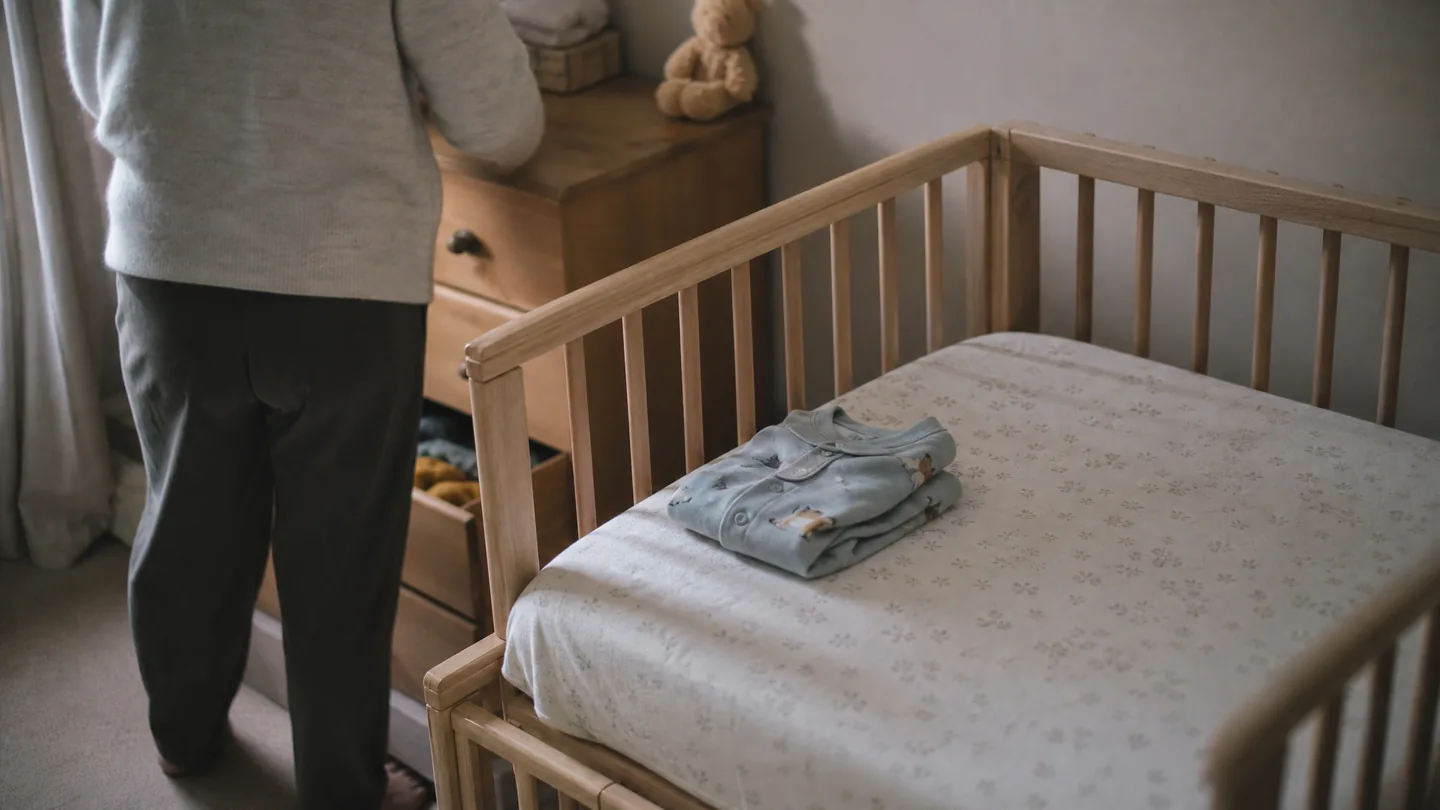
While a baby is ill you should do whatever gets everyone through - feeding at night again, sleeping in your room, rocking them back to sleep. All of that is correct at the time and none of it needs justifying.
The cost arrives afterwards, because babies learn quickly. Five nights of a new arrangement is enough for it to become the expected one, and every additional day of it makes the return slightly harder.
When to start
Daytime mood is back to normal. The most reliable indicator that they are genuinely well, more so than the absence of a cough.
Feeding and appetite have recovered. Eating and drinking as they were before.
No fever for at least twenty-four hours. Without paracetamol.
A lingering cough is fine. Coughs outlast illnesses by weeks. Waiting for it to go entirely means waiting too long.
How to do it
Go back in one step rather than gradually. If you were feeding at night before the illness and not during, stop the extra feeds on the first good night. Babies handle a clean return better than a slow one, which drags the protest out over a fortnight instead of concentrating it into two nights.
If there are several things to undo, order them: schedule first, then bedtime, then the early-morning wake, then the middle of the night. One thing at a time, but start immediately rather than waiting for a good week.
Habits formed in five nights come apart in three - provided you start on the third day rather than the third week.
What to expect
Three to four nights of protest, sometimes fewer. Considerably longer if the illness ran two weeks or if you have already been back to normal health for a fortnight without changing anything.
Naps often take longer than nights to recover, particularly after a chest infection. And the schedule may genuinely need adjusting afterwards - your baby is a fortnight older, and wake windows move.
Making the return cleanly
Pick a night, tell whoever else is involved, and go back to the pre-illness arrangement completely - same bedtime, same room, same settling, no extra feeds. A clean return concentrates the protest into two or three nights. A gradual one spreads the same amount of protest across a fortnight and is harder on everybody.
The single most useful preparation is knowing what you loosened. If you kept a short note during the illness, work down it in order. If you did not, the usual suspects are an extra night feed, sleeping in your room, and considerably more settling help at bedtime.
The naps take longer
Nights usually recover within three or four days and naps often take a week or two longer, particularly after a chest infection or anything involving a lingering cough. That gap catches people out and prompts unnecessary changes to the day.
Hold the nap times where they were, use an earlier bedtime while the naps are short, and give it a fortnight. If naps have not recovered after that, check the wake windows against your baby’s current age rather than the age they were before the illness - a week in bed does not stop them developing.
When to stop troubleshooting
If sleep has not recovered several weeks after an illness, look for something ongoing rather than residual habit - a lingering ear infection, persistent congestion, or newly noticeable snoring and mouth breathing. All are worth a GP appointment.
Want this worked out for your baby instead?
The quiz takes three minutes and asks about your nights, not just their age.
Take the 3-min quiz →General guidance, not medical advice. Your paediatrician's advice takes precedence.