Snoring and noisy breathing: when to get it checked
Your baby snores, and everyone finds it endearing. Habitual snoring in an infant is not a normal variation, and it belongs in front of a GP rather than in a sleep plan.
3 min read
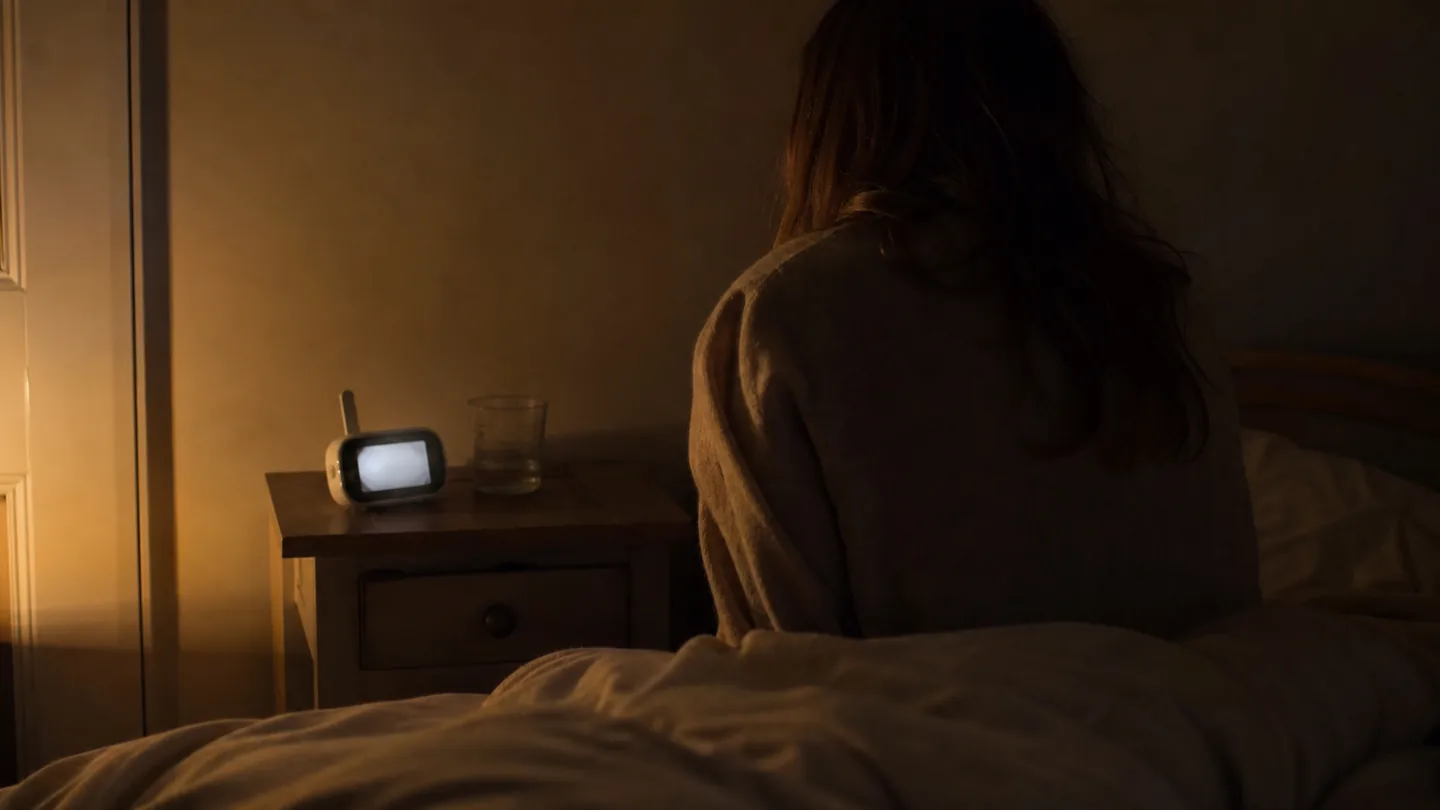
Babies make a great deal of noise asleep. Snuffles, grunts, irregular rhythms and brief pauses of a few seconds are all common and generally harmless, particularly in the newborn period and during a cold.
What is different is snoring most nights, over weeks, when they are well. That suggests the airway is partially obstructed during sleep, most often by enlarged tonsils or adenoids, and it is worth investigating because the consequences accumulate.
What is worth an appointment
Snoring on most nights when well. Not the week of a cold - the ongoing pattern.
Pauses in breathing. Especially if followed by a gasp, a snort or a struggle to breathe.
Mouth breathing. Asleep or awake, consistently.
Working hard to breathe. Chest pulling in, neck extended, sleeping in unusual positions to keep the airway open.
Very restless sleep, or sweating heavily. Frequent waking with no other explanation, and daytime irritability or sleepiness despite adequate hours.
Why it matters
Obstructive sleep apnoea fragments sleep repeatedly through the night, and the child does not remember any of it. Over months it is associated with poor growth, behavioural difficulties, and daytime sleepiness or hyperactivity. It is also very treatable once identified.
This is also why persistent night waking that never responds to any schedule or settling change deserves a medical look. A proportion of the families who have tried everything are working on a breathing problem with sleep techniques.
A snoring baby is not a cosy detail. It is the one symptom on this site that always earns an appointment.
What to do before the appointment
Record a video on your phone - thirty seconds of them asleep, with sound, showing the breathing. It is by far the most useful thing you can bring, since your baby will breathe perfectly in the consulting room.
Note how many nights a week it happens, whether there are pauses, and whether they are mouth breathing in the day too.
What normally happens next
Your GP will examine your child, look at the tonsils, and ask about the pattern. Depending on what they find, they may refer to an ear, nose and throat specialist or to a paediatric sleep service. In children, obstructive sleep apnoea is most often caused by enlarged tonsils and adenoids, and removing them is frequently curative.
It is worth going even if you are not sure. Parents often hesitate because the child seems well in the day and the snoring feels trivial, and it is one of the more commonly missed conditions in early childhood precisely for that reason. A video and a short appointment costs very little.
What is normal noise
Newborns are noisy sleepers: snuffling, grunting, irregular rhythms, and brief pauses of a few seconds followed by faster breathing. That pattern is common in the early weeks and generally settles. Snoring during a cold, for a few days, is also unremarkable.
What is different is the ongoing pattern in a well child - snoring on most nights over weeks, mouth breathing, or pauses followed by a gasp or a struggle. Those are not variations of normal noise, and the distinction is worth making because the harmless version is so common that the significant version gets absorbed into it.
When to stop troubleshooting
See a GP about habitual snoring, mouth breathing or witnessed pauses in breathing. Seek urgent help for blue or grey colouring around the lips, a baby who stops breathing and is difficult to rouse, or breathing that is fast and laboured with the skin pulling in under the ribs.
Want this worked out for your baby instead?
The quiz takes three minutes and asks about your nights, not just their age.
Take the 3-min quiz →General guidance, not medical advice. Your paediatrician's advice takes precedence.