Flying with a baby: the sleep plan
The first flight is mostly dreaded for the wrong reasons. The noise and the other passengers are manageable; the flight time you booked is what determines how the following week goes.
3 min read
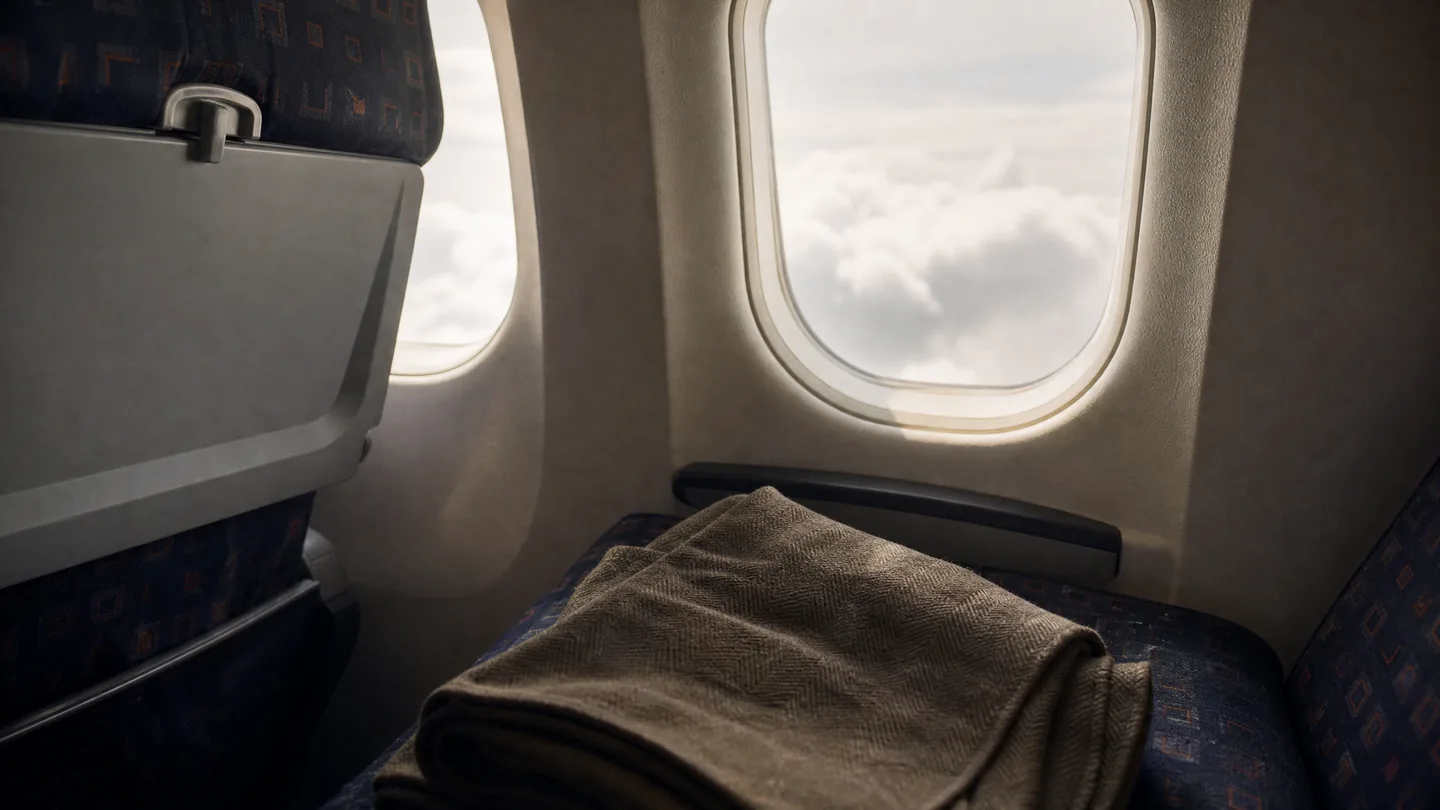
A plane is actually a reasonable place for a baby to sleep. It is loud in a consistent way - effectively white noise - it moves gently, and you are holding them. Many babies sleep better on a plane than their parents expect.
What causes trouble is the day around the flight: an early start, an unfamiliar airport, missed naps, and arriving at a time that fights the local clock.
Choosing and preparing
Short flights: fly around a nap. Board just before a nap is due, so the noise and motion do the work.
Long flights: overnight if you can. Arriving in the morning at the destination lets you use daylight to shift the clock immediately.
Avoid the very early departure. A 6am flight means a 3am start, and the whole day is lost before you have taken off.
Book a bassinet if one is available. For babies under the weight limit it is the difference between holding a sleeping baby for eight hours and not.
Feed on take-off and landing. Sucking helps with pressure changes. Breast, bottle or a dummy all work.
On board
Do a condensed version of the bedtime routine before you want them to sleep - sleeping bag on, the same song, the same words. The sequence works even in a completely wrong environment, and it is the main thing you have brought with you.
Cabin air is very dry, so offer fluids more often than usual. Bring more nappies and a change of clothes for both of you than seems necessary. And do not use sedating medicines to make a baby sleep on a flight - antihistamines are not recommended for this, and they backfire in a proportion of children.
The plane is not the problem. The 4am start you booked yourself is.
After you land
Switch to local time immediately - meals, naps and bedtime on the new clock from day one. Get outside in daylight at the right end of the day for the direction you travelled. Expect two or three difficult nights, and up to a week for a large time difference.
Set up the cot before bedtime rather than in front of a tired baby, and run the full routine on the first night even though everything else is chaotic.
What to pack within reach
More nappies than you think, at least two changes of clothes for the baby and one for you, muslins, and everything for feeding - in the cabin bag, not the one going overhead. Sleeping bag and comforter accessible. Anything you need in the first hour should be somewhere you can reach without standing up.
Delays and diversions are the reason for the excess. A three-hour flight can become seven, and the difference between that being difficult and being unbearable is usually whether you have enough nappies and enough milk. Pack for the delayed version of the journey.
The practicalities that make it bearable
Board early if you have a bulkhead seat, late if you do not - a toddler is better off running around a departure gate than strapped in for an extra forty minutes. Feed or offer a dummy on take-off and landing to help with pressure. Bring the sleeping bag and put it on when you want them to sleep.
Cabin air is very dry, so offer fluids more often than usual. And do not use sedating medicines to make a baby sleep on a flight: antihistamines are not recommended for that purpose, and in a proportion of children they produce the opposite effect, which is a long way from home to discover.
When to stop troubleshooting
Speak to your GP before flying if your baby was premature, has a heart or lung condition, or has had recent ear or respiratory infections. Persistent ear pain after a flight, or a baby who seems unwell rather than tired, needs medical attention rather than another early night.
Want this worked out for your baby instead?
The quiz takes three minutes and asks about your nights, not just their age.
Take the 3-min quiz →General guidance, not medical advice. Your paediatrician's advice takes precedence.