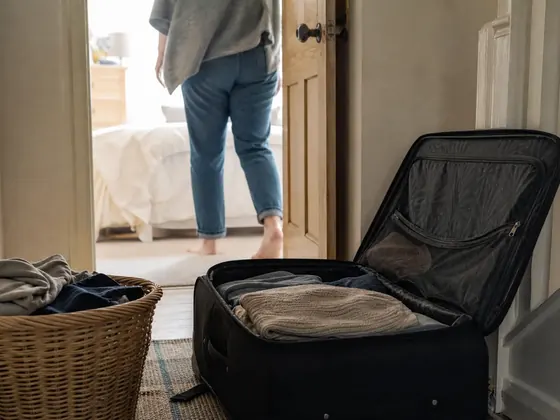
Travel, time zones, and the week after
You are crossing time zones with a baby. The body clock adjusts at a predictable rate, roughly an hour a day, and everything useful you can do is about helping it along rather than forcing it.
4 min read
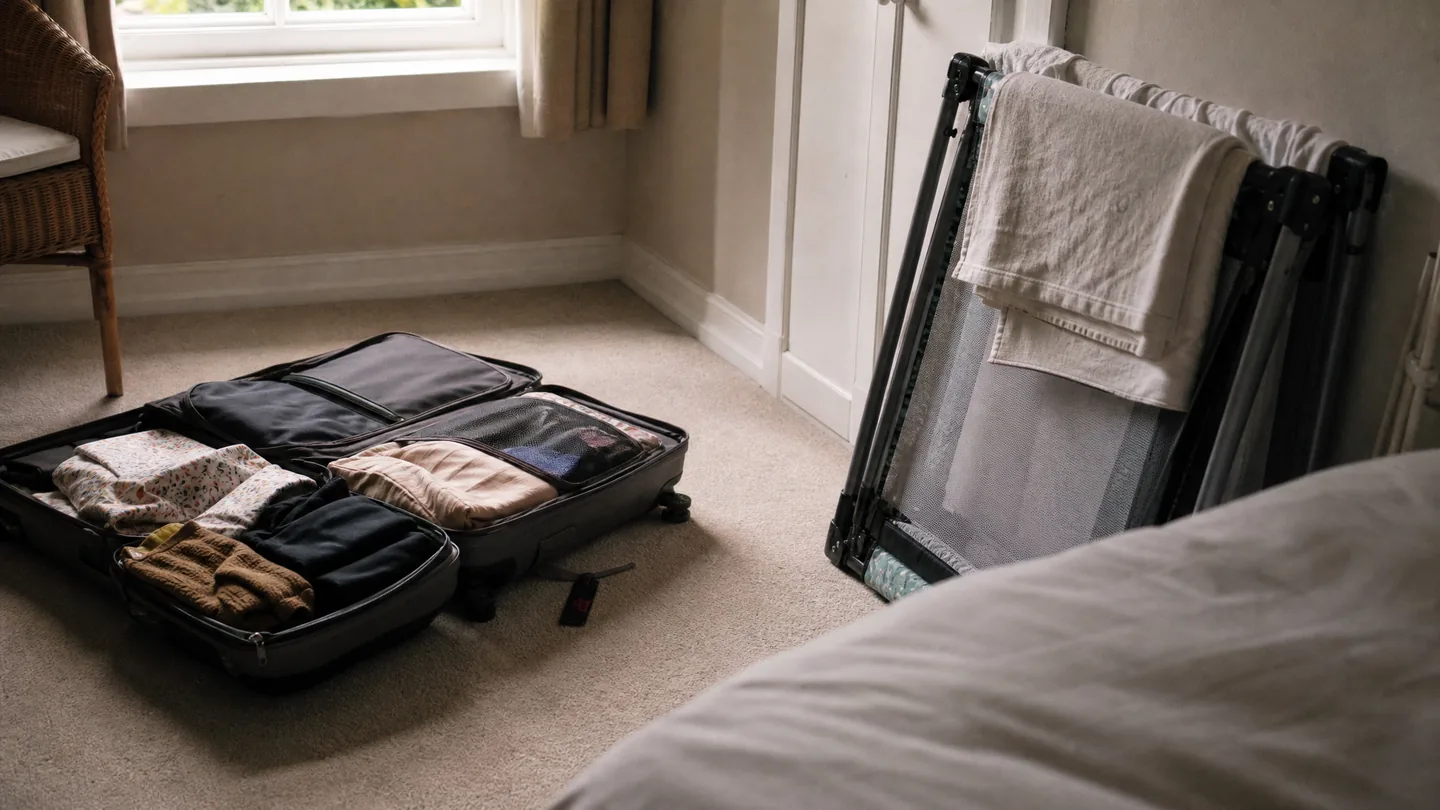
The internal clock runs on light more than anything else. When the light changes by five hours overnight, the clock does not follow immediately - it shifts gradually, at somewhere around an hour a day, which is why a five-hour change takes the best part of a week to settle.
Direction matters. Travelling west, the day gets longer and you need your baby to stay up later, which is generally easier. Travelling east, the day gets shorter and you need them to sleep earlier than their body wants, which is harder and takes longer.
What to do
Under three hours: do nothing. Just switch to local time on arrival. The body sorts it out in two or three days and preparation is not worth the effort.
Over three hours: shift before you go, if you can. Move bedtime by fifteen to thirty minutes a day for several days beforehand, in the direction of travel.
Switch to local time on arrival. Meals, naps and bedtime all on the new clock from day one. Trying to run the old schedule extends the whole thing.
Use light deliberately. Going west, get bright light in the late afternoon and evening. Going east, get bright morning light and keep the evening dim. This is the strongest lever you have.
Bring your own conditions. Blackout, the same white noise, the unwashed sheet, the same sleeping bag, the same routine in the same order.
The first few nights
Expect night waking at what would have been daytime at home, and expect it to feel like everything has been undone. Keep those wakes dark and dull, exactly as you would at home, even when your baby is wide awake and cheerful at three in the morning.
Cap daytime naps at the local times rather than letting them run - a long nap at the wrong hour keeps the clock where it was. Waking a sleeping baby is uncomfortable and it is the fastest route through.
The clock moves about an hour a day, and light is the only thing that speeds it up.
Coming home
The same again, and often slightly worse, because you are also undoing whatever loosened while you were away. Go back to your normal routine from the first night home rather than easing in, get outside in the morning light, and expect three to seven days.
If habits crept in on holiday - feeding to sleep, sharing a bed, an hour of rocking - deal with them in the first week back rather than waiting for a good moment. They become considerably harder to unpick after a fortnight.
Whether to shift at all
For a short trip - under about five days - it is often better not to. Adjusting a body clock forward and then straight back takes longer than the holiday, and you spend the whole thing with an unsettled baby and then come home to a second adjustment.
For a short trip of two or three hours’ difference, keeping roughly to home time and simply eating at odd hours is frequently the easier option. For anything longer than about a week, or a difference of more than about three hours, switch fully to local time on arrival and accept the few days it costs at each end.
Managing the naps on arrival
The naps decide how fast the clock moves. A long nap at the wrong hour holds the body where it was, so cap them at the local times even when your baby is clearly exhausted and it feels cruel. One or two firmly capped days is what turns a week of adjustment into three.
For the same reason, do not let them sleep late in the morning to recover from a bad night. Wake at the local time, get outside into daylight immediately, and pay the debt with an earlier bedtime rather than a later start. Morning light is the strongest signal available and it is free.
When to stop troubleshooting
Sleep that has not recovered a fortnight after returning is not jet lag any more, and is worth looking at as its own problem. A baby who becomes unwell while travelling needs the same attention they would at home - and it is worth knowing before you go how to access care where you are going.
Want this worked out for your baby instead?
The quiz takes three minutes and asks about your nights, not just their age.
Take the 3-min quiz →General guidance, not medical advice. Your paediatrician's advice takes precedence.