The settling methods, honestly compared
The internet argument about sleep methods is loud and unhelpful. Here is what each approach actually involves, what it trades away, and the honest version of who it suits.
4 min read
There is one trade-off underneath all of them: speed against parental presence. Methods that involve more separation tend to work faster and are harder to do. Methods that keep you in the room take longer and are easier to sustain. Nothing on this list is free.
What matters more than which method you pick is that you pick one and hold it long enough to know. Changing approach every three nights is the single most common reason nothing works.
The main approaches
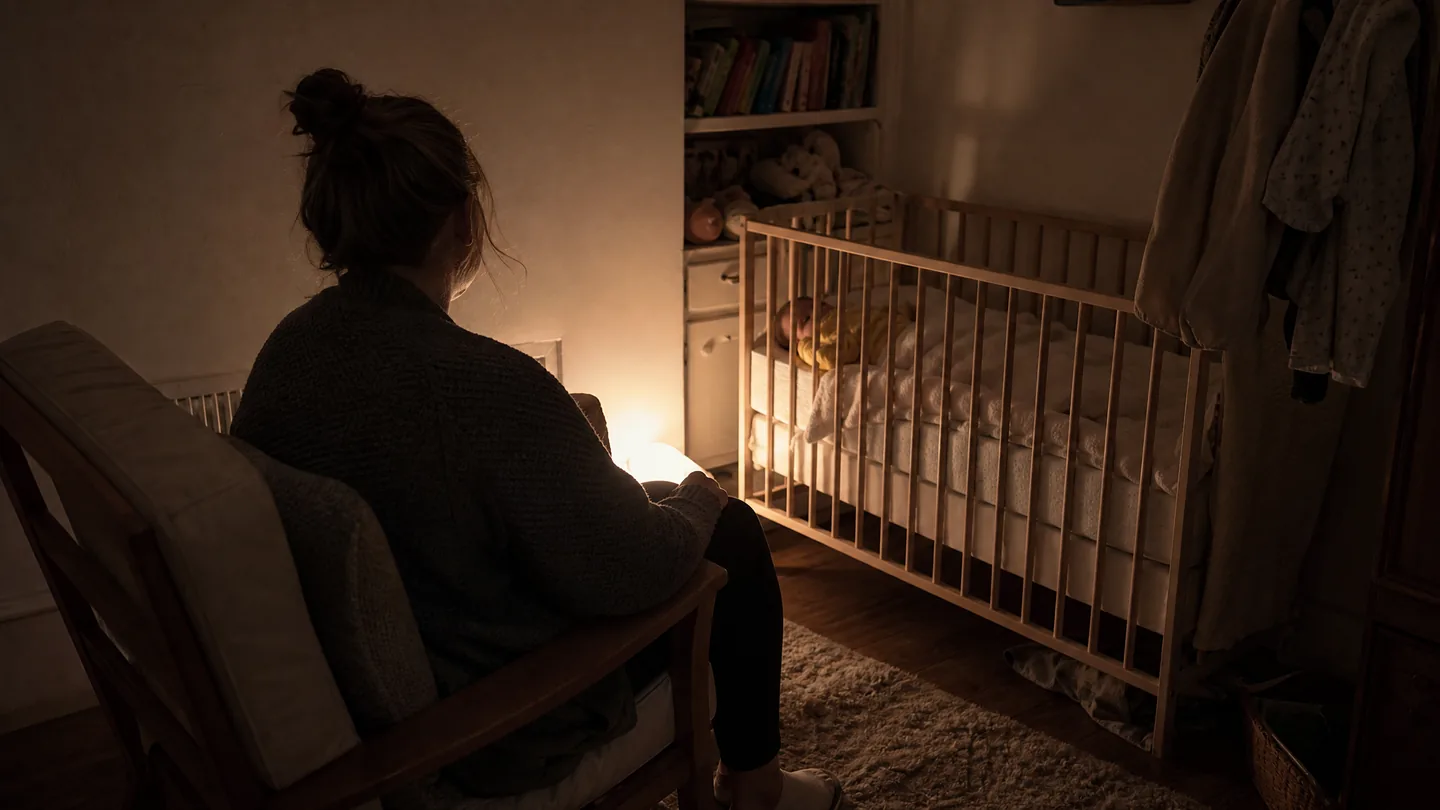
Gradual retreat. You sit beside the cot and move further away every few nights until you are outside the door. Slow - three to five weeks - highly predictable, and easiest to sustain. Best for parents who want to stay present and can hold a plan.
Pat-shush and hands-on settling. Physical soothing in the cot, reduced over time. Gentlest of all, works well under about eight months, and can overstimulate older babies.
Pick up, put down. Lift when they cry, put down when calm, repeat. Very responsive, physically exhausting, and works in a fairly narrow window of roughly four to eight months. Over-stimulating for many older babies.
Timed checks. Leaving the room and returning at intervals. Fast - often under a week - with more crying than the above, and a plan that is easy to describe and hard to hold.
Extinction, or cry-it-out. Leaving until morning without returning. Fastest of all and the most distressing to do. We do not use it, for reasons worth reading separately.
How to choose
Start with what you can actually do at 2am on the fourth night, because that is the night that decides everything. A method you abandon halfway is worse than a slower one you complete - your baby learns that persistence changes the outcome, which is precisely the lesson you did not want to teach.
Then consider age. Under four months, none of these apply; work on timing and routine instead. Four to eight months is the widest window. Past a year, methods involving a parent in the room tend to work better than those involving leaving, because separation anxiety is a bigger factor than it was.
Pick the method you can still be doing on night four. That constraint eliminates most of the choice for you.
What they all have in common
Every approach here requires the timing to be right first. A method applied at the wrong bedtime will fail, and you will conclude the method was wrong. Sort wake windows and the routine before picking anything from this list.
All of them also need four to fourteen nights before you judge. And all of them go backwards during illness, teething and travel, which is normal and does not mean starting again.
What to sort out before any of them
Three things, and they account for a large share of the cases where nothing works. The wake window before bedtime, which decides whether sleep is available at all when you put them down. The routine, which needs to be the same length and order every night. And the room - dark, sixteen to twenty degrees, nothing changing after they go down.
Fixing those alone resolves a meaningful proportion of sleep problems without any method at all. It is also the only way to know whether a method failed: applied at the wrong bedtime, every approach on this list produces a long fight and no result, and you learn nothing except that you should try the next one.
Age, and what it rules out
Under four months, none of these apply. There is no capacity yet for what they are trying to teach, and the useful work is timing, routine and environment. Between four and eight months is the widest window, when most approaches are workable.
From around eight months, separation anxiety changes the calculation: methods that involve leaving the room work against the developmental grain, and approaches with a parent present tend to do better. Past a year, add autonomy to the picture - a toddler will test a boundary that a nine-month-old simply experiences, and the routine matters as much as the settling method.
When to stop troubleshooting
Do not start any settling work with a baby who is unwell, in pain, or not gaining weight. If several weeks of a consistent approach produce no change at all, or there is snoring, mouth breathing or pauses in breathing, speak to your GP or health visitor rather than trying the next method.
Want this worked out for your baby instead?
The quiz takes three minutes and asks about your nights, not just their age.
Take the 3-min quiz →General guidance, not medical advice. Your paediatrician's advice takes precedence.