Safe sleep basics: the rules that aren’t negotiable
Almost everything about baby sleep is a judgement call. This is the exception. These rules come from the American Academy of Pediatrics and The Lullaby Trust, they are based on decades of evidence, and there is no version of them adapted to your circumstances.
5 min read
Sudden infant death syndrome is rare, and it has become considerably rarer since safe sleep advice became widespread - rates fell by around eighty per cent in countries that ran back-to-sleep campaigns. That reduction is what these rules bought.
They apply to every sleep, day and night, at home and away, from birth until at least twelve months. Not most sleeps. Every one, including the twenty-minute nap at a grandparent’s house.
The six rules
On their back, every time. Not the side, not the front. Once a baby can roll both ways reliably by themselves, you do not need to keep turning them back - but you always place them on their back to begin with.
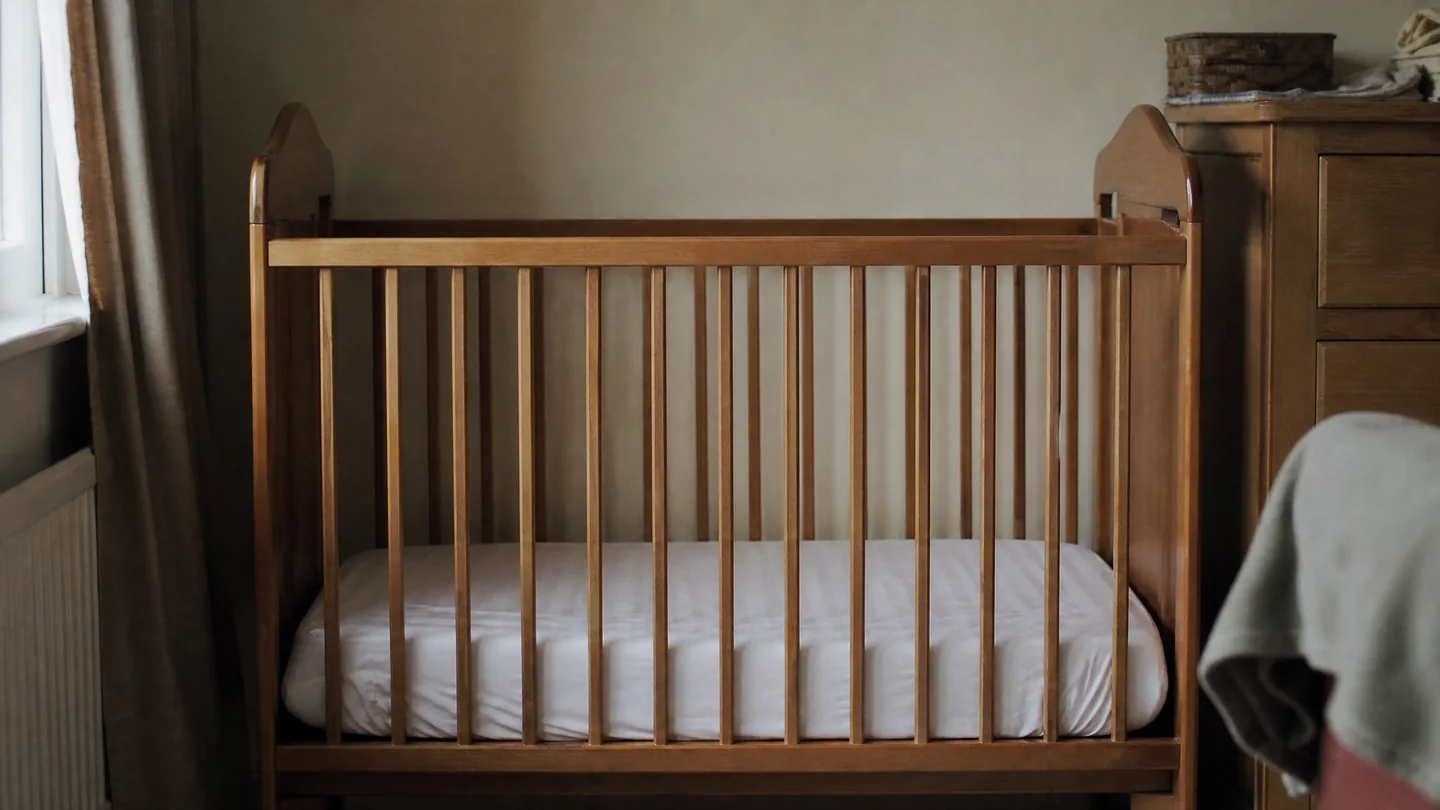
A firm, flat, level surface. A properly fitting cot mattress, with no incline. Do not tilt or prop the cot, and do not use wedges, positioners, nests or pods. Car seats, bouncers, swings and slings are not for routine sleep.
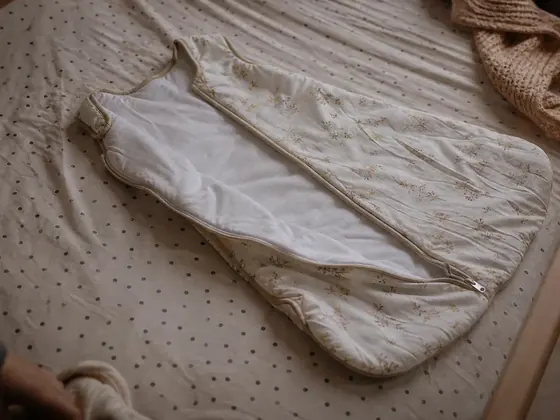
An empty cot. A fitted sheet and nothing else. No pillows, duvets, cot bumpers, loose blankets, soft toys or weighted products. Weighted sleeping bags and weighted swaddles are specifically not recommended.
In your room, in their own cot. For at least the first six months, for every sleep. Room sharing without bed sharing substantially reduces the risk.
Smoke-free, and not overheated. No smoking in pregnancy or around your baby. Keep the room between about sixteen and twenty degrees, and never cover their head.
Never on a sofa or armchair. Falling asleep with a baby on a sofa or armchair carries a far higher risk than any other situation. If you might fall asleep feeding at night, it is safer to prepare your bed in advance than to feed on the sofa.
Two things that also lower risk
Breastfeeding is associated with a reduced risk, and any amount helps. So is offering a dummy at sleep onset for babies under six months - if it falls out once they are asleep, there is no need to put it back. Neither of these is compulsory, and neither replaces the rules above.
Keeping vaccinations up to date is also associated with lower risk. And home cardiorespiratory monitors - the wearable kind - have not been shown to reduce sudden infant death, and should not be relied on as a substitute for safe sleep practice.
Everything else about sleep is a judgement call. These six are not, and they apply to every single sleep.
If bed sharing happens
Guidance advises against bed sharing, and it is worth being direct about that. It is also true that many families do it, sometimes unplanned at four in the morning, and pretending otherwise leaves people without the information they need.
The risk is much higher if either parent smokes, has drunk alcohol or taken any drug or medication that causes drowsiness, or is unusually tired; if the baby was premature or of low birth weight; or if there are pillows, duvets or other people in the bed. If bed sharing does happen, the surface should be firm and flat, bedding kept well away from the baby, and the baby placed on their back with no possibility of falling or becoming trapped. Never on a sofa or armchair, in any circumstances.
The sleeps that get forgotten
Most families follow the rules at night and relax them by accident during the day. The twenty-minute nap on the sofa. The car seat carried indoors and left in the hallway. An afternoon at a relative’s house where the arrangements are somebody else’s. The rules apply to all of it.
Two situations are worth naming specifically. A baby asleep in a car seat, bouncer or swing should be moved to a flat surface as soon as you are somewhere you can - the semi-upright position can let the head fall forward and restrict breathing, and it is not for extended or unsupervised sleep. And anyone else who looks after your baby needs to be told the rules out loud, including grandparents who raised children under different guidance. Most people follow them readily once they know.
What has changed, and why people disagree
If your parents put you to sleep on your front, they were following the advice of the time. Back sleeping became the recommendation in the early nineties, and rates of sudden infant death fell dramatically in the countries that adopted it. That is why grandparents sometimes give confident advice that contradicts this - they are quoting guidance that was genuinely current when they used it.
Several other things have changed since: cot bumpers are no longer recommended, sleep positioners and nests are advised against, and inclined sleepers have been withdrawn in some markets. It is worth saying to relatives that the advice changed rather than that they were wrong. It ends the conversation faster and it is also true.
When to stop troubleshooting
Talk to your health visitor or GP about anything here you are unsure of, and speak to them promptly about breathing that is noisy, laboured or has pauses in it, a baby who is difficult to rouse, or a baby who was premature or has a medical condition - the advice may need adapting by someone who knows their history.
Want this worked out for your baby instead?
The quiz takes three minutes and asks about your nights, not just their age.
Take the 3-min quiz →General guidance, not medical advice. Your paediatrician's advice takes precedence.