When they settle for one parent only
One of you settles them in five minutes and the other cannot do it at all. This is a learned pattern with a reliable fix, and the fix has one rule that is harder to keep than all the rest.
3 min read
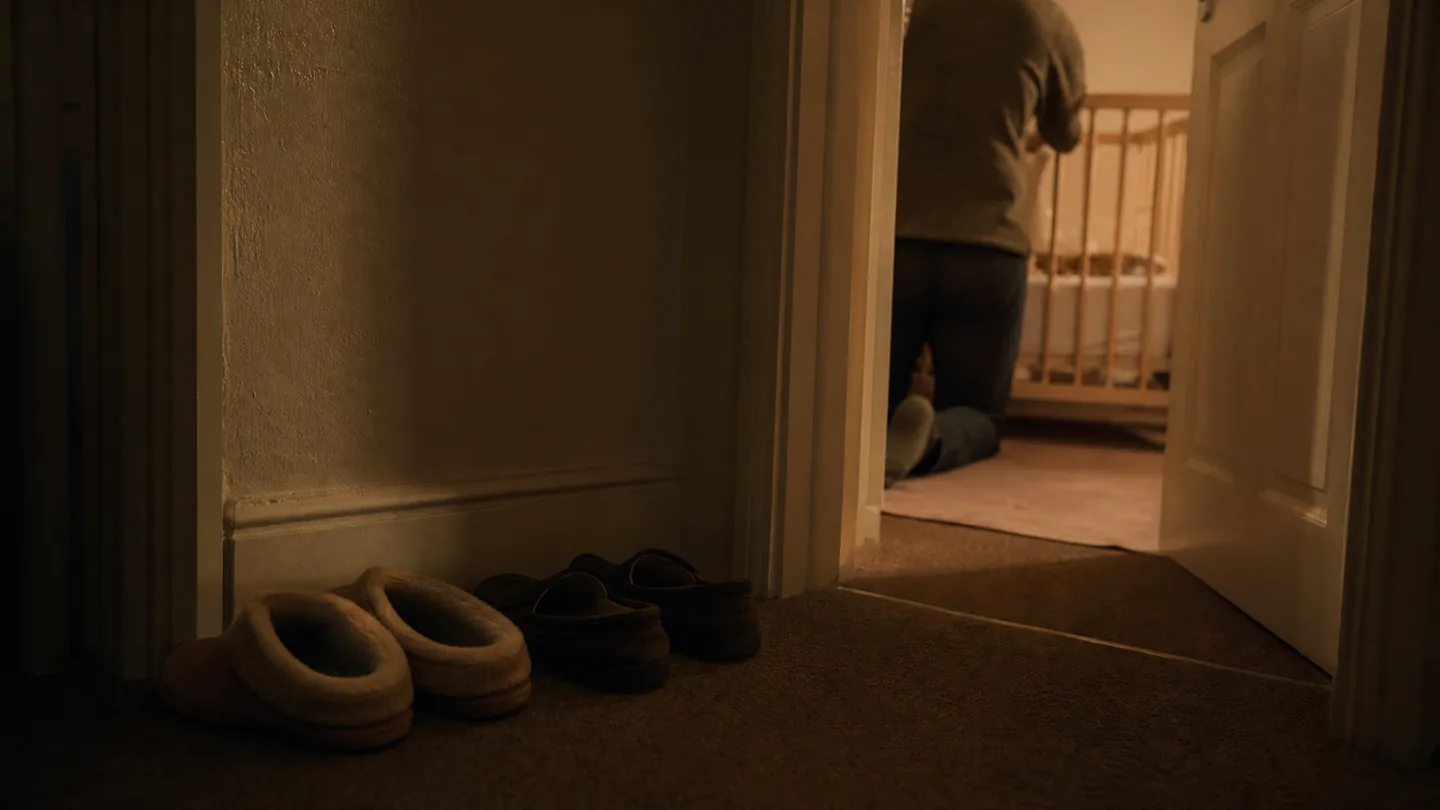
Babies learn what settling looks like from whoever has been doing it. The hold, the words, the rhythm, the smell - all of it becomes part of what sleep requires. Another adult offering a different version is offering something unfamiliar at the moment your baby has least tolerance for unfamiliar things.
It is not preference in any deep sense, and it is not a verdict on either parent. It is a pattern, and patterns can be relearned in a fortnight.
The handover plan
Start with naps and bedtime, in daylight. A week of the second parent doing the easy settles before anyone goes near a night wake.
Copy the routine exactly at first. Same words, same hold, same order. Personalise it later, once it works.
Take the easiest night wake next. Usually the one closest to morning. Not the 11pm one, which tends to be the fiercest.
The favoured parent stays out of the room. Completely, for the whole attempt. This is the rule that decides whether it works.
Agree the stopping point beforehand. “Twenty minutes, then we swap” decided in daylight is a plan. The same thought at 2am is a surrender, and it teaches that holding out works.
Why the room rule matters so much
If the favoured parent appears partway through, your baby learns something very clear: keep going and the right person arrives. The next attempt is longer and louder, and the one after that longer still. A halfway handover is worse than not starting.
For a breastfeeding parent this matters twice over - a baby who can smell milk and is not being fed is in a genuinely more difficult position than one being held by someone who does not smell of it.
A household where only one adult can do nights has no slack in it. The bad week buys back a year.
How long
Worse for three to five nights, then a marked improvement somewhere in the second week. Settling times usually fall in steps: forty minutes, twenty-five, ten, unremarkable. A month is at the long end and it very rarely fails outright when both parents hold the line.
Pause during illness, teething or a big developmental phase, and pick it up afterwards. The progress does not disappear.
What it looks like from the second parent’s side
Being unable to comfort your own child is quietly miserable, and it usually goes unsaid. The second parent often concludes they are simply worse at it, stops volunteering, and the pattern hardens - which is how a fortnight of circumstance becomes a permanent arrangement.
It is worth naming out loud that this is about familiarity rather than ability, and that the difficult week is the price of fixing it rather than evidence of the diagnosis. The parent doing the handover needs to expect three bad nights, know that they are expected, and not read them as confirmation that the baby prefers someone else.
Starting before you need to
The best time to do the handover is when nothing is forcing it. A fortnight of deliberate practice at three months is easy; the same work at nine months, in the week before one parent goes back to work or is admitted to hospital, is considerably harder and much worse timed.
A reasonable habit is that both parents do bedtime regularly from early on - alternating nights, or one doing bath and the other doing the last feed. It costs nothing while things are calm and it means the pattern never forms in the first place.
When to stop troubleshooting
Stop if your baby is inconsolable for long periods with either parent, seems in pain, or if feeding or weight is affected. Speak to your health visitor if the distress does not reduce at all over a fortnight.
Want this worked out for your baby instead?
The quiz takes three minutes and asks about your nights, not just their age.
Take the 3-min quiz →General guidance, not medical advice. Your paediatrician's advice takes precedence.