How dark should the room actually be?
Your mother says a baby should learn to sleep in daylight. The internet says pitch black. Both are describing something true, and the argument only resolves once you decide which problem you are solving.
3 min read
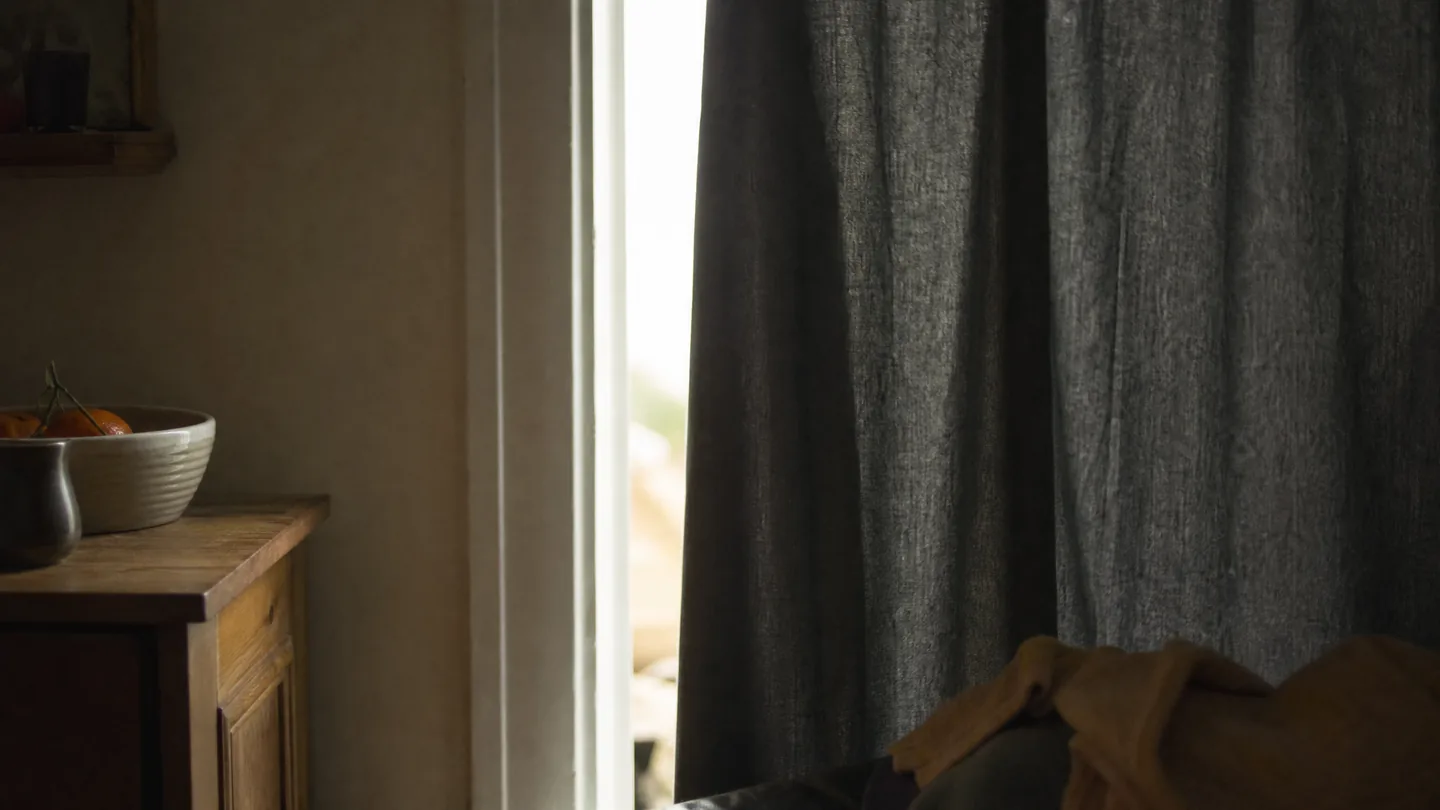
Light is the primary signal for the body clock. Bright light suppresses melatonin, which is exactly what you want in the morning and exactly what you do not want at seven in the evening in June. Darkness genuinely helps sleep, and it helps most for the babies who need it most: light sleepers, short nappers, and anyone in a bright bedroom in summer.
The cost is flexibility. A baby who has only ever slept in blackout finds a grandparent’s spare room, a travel cot or a nursery sleep room genuinely unfamiliar, and that shows up on the first holiday.
How to decide
Under three months: normal light is fine. The body clock is not running yet, and daytime naps in ambient light help the day-night distinction form.
From three months, use darkness where it solves something. Short naps, early waking in summer, a bright room. Fix the problem in front of you rather than following a rule.
Keep mornings bright. Daylight soon after waking anchors the clock and does more for night sleep than the nap conditions do.
Practise imperfect conditions occasionally. One sleep a week somewhere less than ideal keeps flexibility alive at very little cost.
Night lights
For a baby, a completely dark room is best - there is no fear of the dark before roughly two years, and a night light is usually for the adults. If you need light for night feeds and nappy changes, use the dimmest possible, and choose warm red or amber rather than white or blue, which suppress melatonin most strongly.
For a toddler who has genuinely become afraid of the dark, a dim warm night light is worth having, and it is a different situation from lighting the room for convenience.
Blackout is a tool for a problem, not a standard to meet. Ask what it is fixing.
If you have gone all-in and want to loosen it
Introduce light gradually over a couple of weeks - a few centimetres of blind, then a little more - starting with the first nap of the day when sleep pressure is highest and conditions matter least.
Before a holiday or a nursery start, practise for a fortnight rather than hoping. Two weeks of slightly worse naps at home is a much better trade than a week of no naps in a rented flat.
The morning end of it
Darkness gets all the attention and light does more work. Bright light soon after waking is the strongest signal available to a body clock, and it does more for night sleep than the nap conditions do. Fifteen minutes outside in the morning, or curtains fully open and breakfast by a window, is the whole intervention.
This matters most for the families dealing with early waking or an unsettled clock after travel. It is also the one thing on this subject that costs nothing, requires no equipment, and works from about three months onwards.
Nurseries and other people’s houses
The cost of blackout is paid somewhere other than your house. Nursery sleep rooms are dim rather than dark, shared, and often lively. A grandparent’s spare room has thin curtains. A travel cot in a holiday flat has whatever the flat has.
Two things reduce that cost. Practise deliberately for a fortnight before any of it - a little more light during naps, a little more household noise. And carry portable blackout when you travel: suckered blinds, or bin bags and gaffer tape, which cost almost nothing and work better.
When to stop troubleshooting
If sleep is poor regardless of the room, or there is snoring, mouth breathing or noisy breathing, the light is not the variable that matters. Speak to your health visitor or GP.
Want this worked out for your baby instead?
The quiz takes three minutes and asks about your nights, not just their age.
Take the 3-min quiz →General guidance, not medical advice. Your paediatrician's advice takes precedence.