Moving baby into their own room
Six months have passed and you are ready to have your room back. The move usually goes well, and almost everything that makes it go badly is about timing.
3 min read
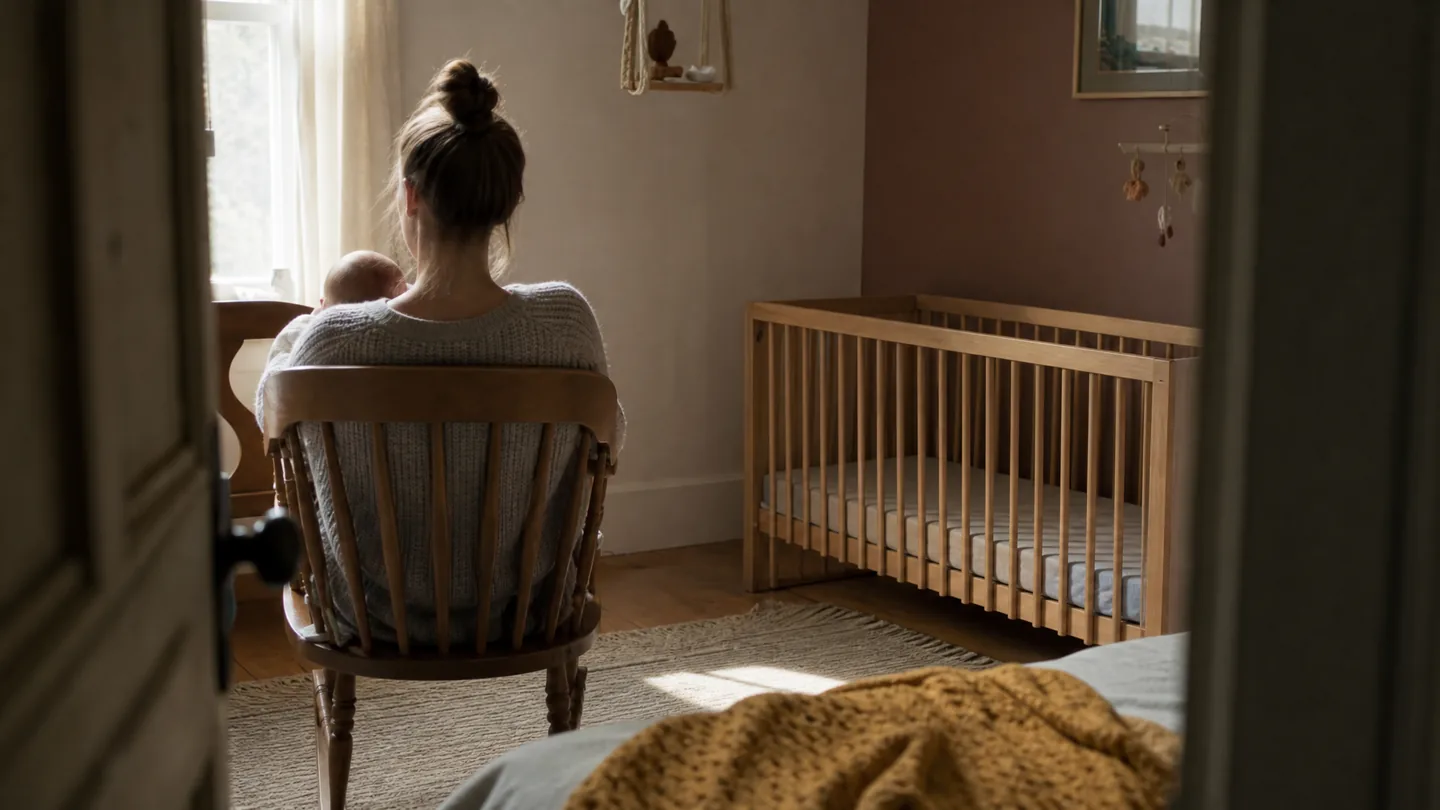
Guidance is to room share for at least the first six months, so from then on this is a family decision rather than a safety one. Some families move at six months, some at a year, some later. There is no advantage to any particular date.
What does matter is choosing a settled period. Moving during a developmental leap, teething, illness, or the peak of separation anxiety around eight months, turns a straightforward change into a fortnight of misery, and it is usually avoidable by waiting three weeks.
How to do it
Prepare the room first. Blackout, temperature between sixteen and twenty degrees, monitor working, cot at the right height, nothing reachable from it. Do this a week ahead.
Use the room in daylight first. Nappy changes, play, a few naps in the new cot before any night is spent there. Familiarity beats explanation.
Keep everything else identical. Same bedtime, same routine, same sleeping bag, same words. One change at a time.
Start with naps, then nights. Two or three days of naps in the new room, then move bedtime.
Bring the smell. The same sheet, unwashed, from the old cot. Small thing, and it helps.
The first few nights
Expect some extra waking for three to five nights. Go to them as you normally would - this is not the moment to change your settling approach as well. If you were planning to reduce your involvement at bedtime, do that a few weeks before or a few weeks after, not now.
It is also common for the parents to sleep worse for a week, out of listening for a monitor that is now the only source of information. That settles too.
Move the room, or change the settling - never both in the same fortnight.
If it goes badly
Going back for a couple of weeks and trying again is a completely reasonable response, and it does not make the second attempt harder. Something else may have been going on - a tooth, a leap, a growth spurt - that was not obvious at the time.
Sleeping on a mattress in their room for a few nights is another option, though it is worth having a plan to stop, or it becomes the new arrangement.
The monitor question
A monitor is useful and it is easy to make it counterproductive. Turned up high, in your bedroom, it broadcasts every grunt and shuffle - and babies are noisy sleepers, so you end up waking for events that would have resolved themselves.
Set the volume so you hear a real cry and not much else, and put it across the room rather than beside your pillow. Wearable monitors that track breathing or oxygen are worth mentioning separately: they have not been shown to reduce the risk of sudden infant death, they produce false alarms, and they should not be treated as a substitute for safe sleep practice.
When it does not go well
Going back for a fortnight and trying again is a perfectly reasonable outcome, and it does not make the second attempt harder. Frequently something else was running that was not obvious at the time - a tooth, a leap, a growth spurt - and six weeks later the same move goes without incident.
What to avoid is the middle ground: a week in their room, three nights back in yours, then another attempt. That produces a baby who has no idea where they sleep. Either commit for a fortnight or postpone properly, and decide which in daylight rather than at eleven at night.
When to stop troubleshooting
If sleep does not recover after two or three weeks, look for another cause rather than the room. Snoring, mouth breathing or pauses in breathing that become noticeable once you are listening on a monitor are worth mentioning to your GP.
Want this worked out for your baby instead?
The quiz takes three minutes and asks about your nights, not just their age.
Take the 3-min quiz →General guidance, not medical advice. Your paediatrician's advice takes precedence.